Ghost in the Cell
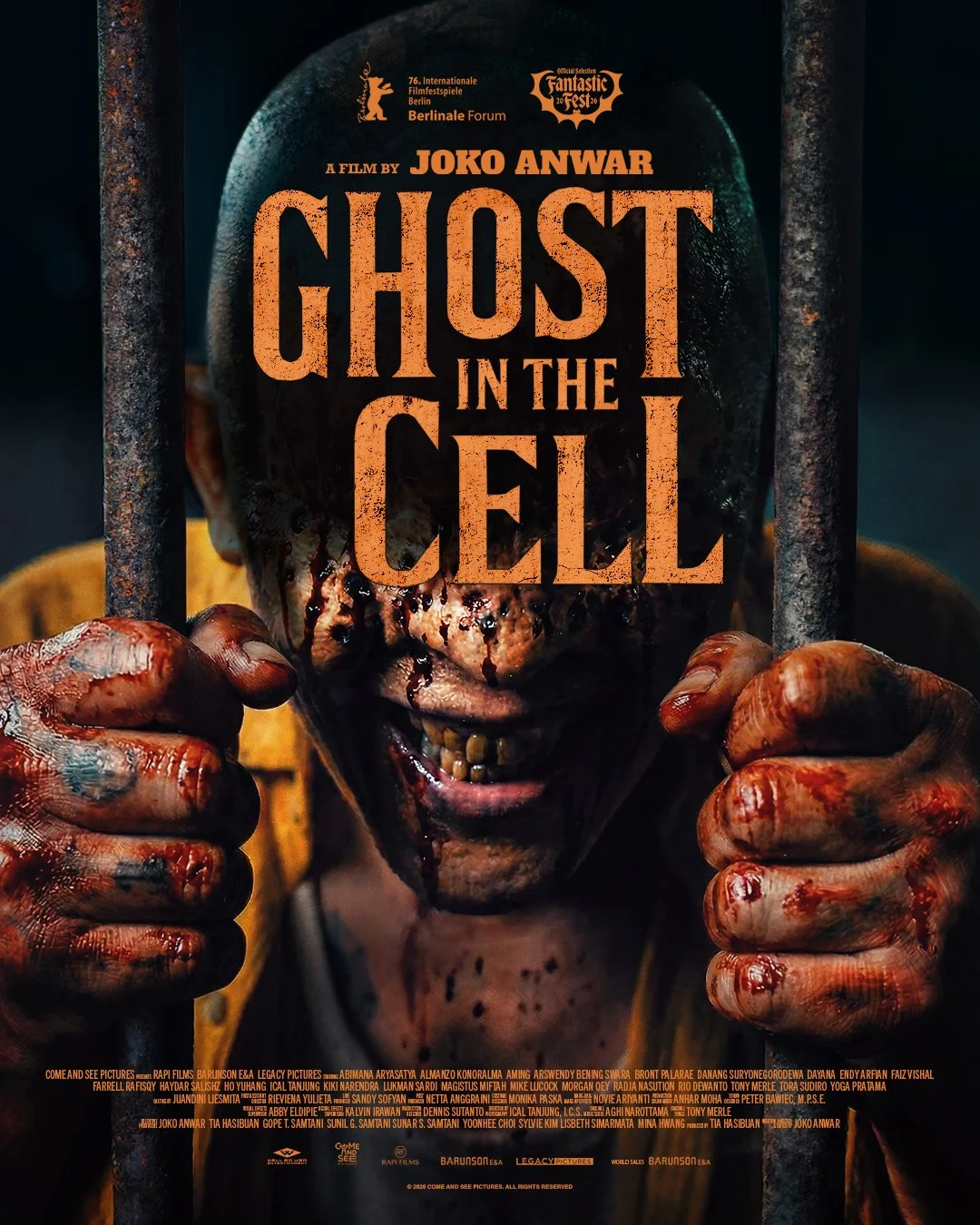
Ghost in the Cell is a prison picture that refuses to settle into one genre, and that refusal is the source of its interesting aspect of comedy. Joko Anwar writes and directs a 106-minute Indonesian horror comedy, released in limited American theatres by Well Go USA Entertainment on 2 October 2026, in which a high-security block ruled by gangs and a tyrannical warden is invaded by something that does not belong to either hierarchy. A new inmate arrives. Murders follow. The bodies are left on morbid display. The men inside must set their rivalries aside against an enemy they cannot see.
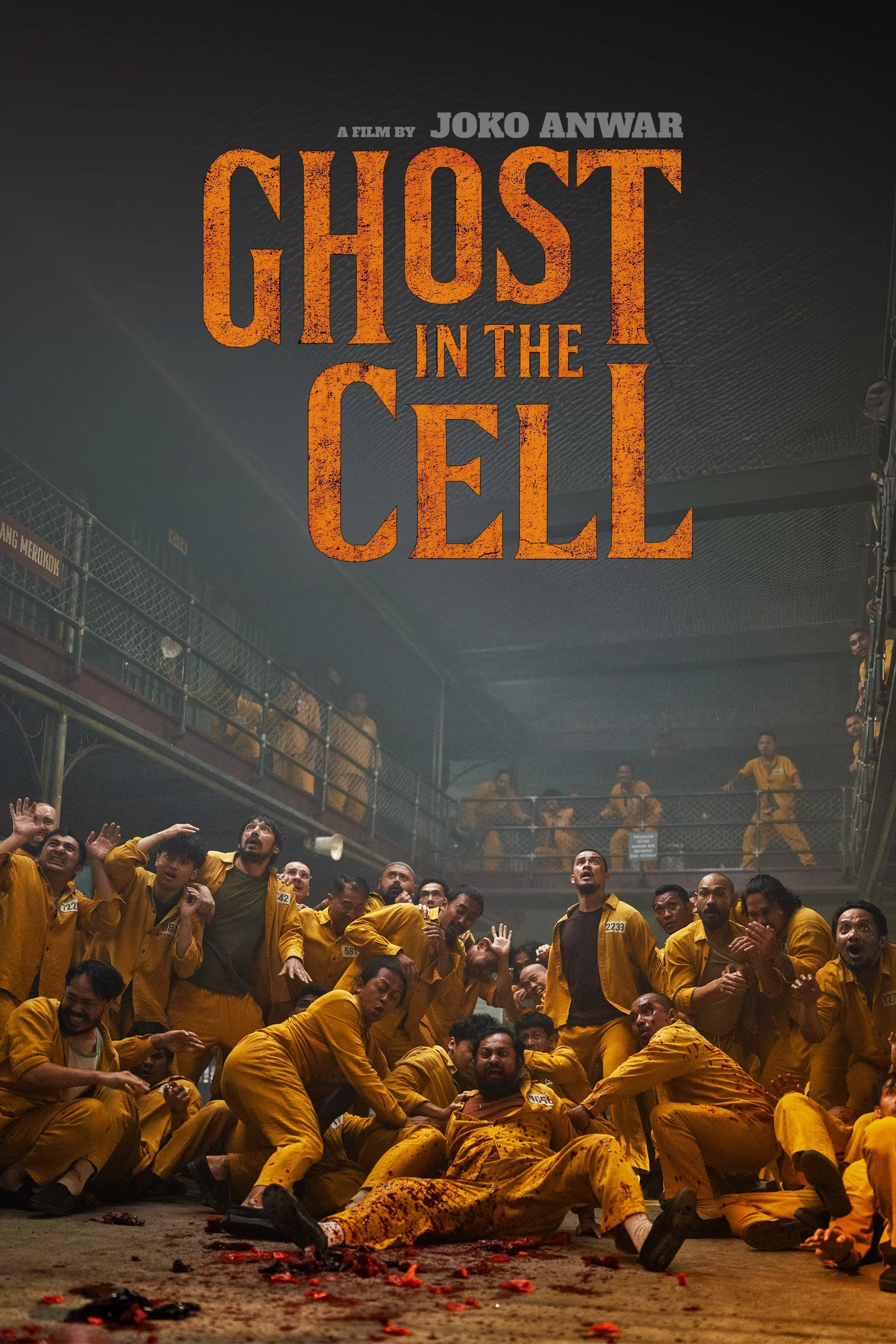
The premise is familiar enough to be reassuring: locked doors, corrupt authority, factions that would rather fight one another than the threat in the corridor. Anwar uses that familiarity as a platform. The gore is tactile and practical, arranged with the deliberate showmanship of a tableau rather than the blur of a chase. Victims are not merely killed; they are exhibited. The effect is closer to a grim exhibition than to a standard slasher, and the film trusts the audience to register the craft as well as the shock.
What distinguishes the picture is the comedy that shares the floor with that violence. Anwar does not treat humour as relief inserted between set pieces. Dance, slapstick, and broad character business sit beside the mutilations and, at the film’s best moments, become part of the survival logic. The tonal swing is extreme. It can feel reckless. It also feels intentional. Critics at Bloody Disgusting and Fangoria have called this Anwar’s most fully realised film, and the claim is credible: the kitchen-sink method, long a feature of his work, here lands as control rather than excess. Brian Tallerico, writing for RogerEbert.com, scored it three out of four and noted that the tableaux will lose some viewers, while those who remain are met by a picture unwilling to keep the shape it has just proposed.
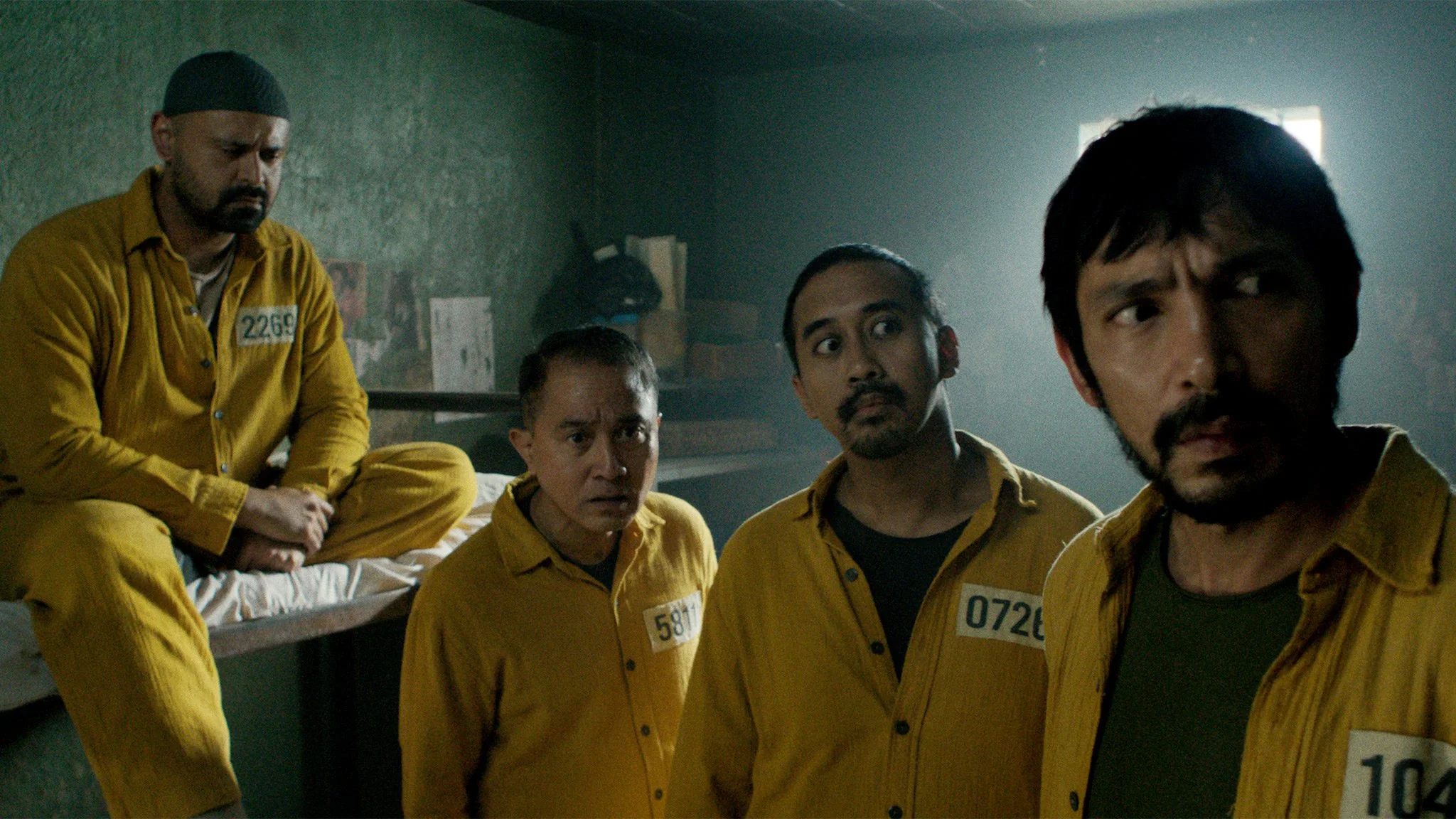
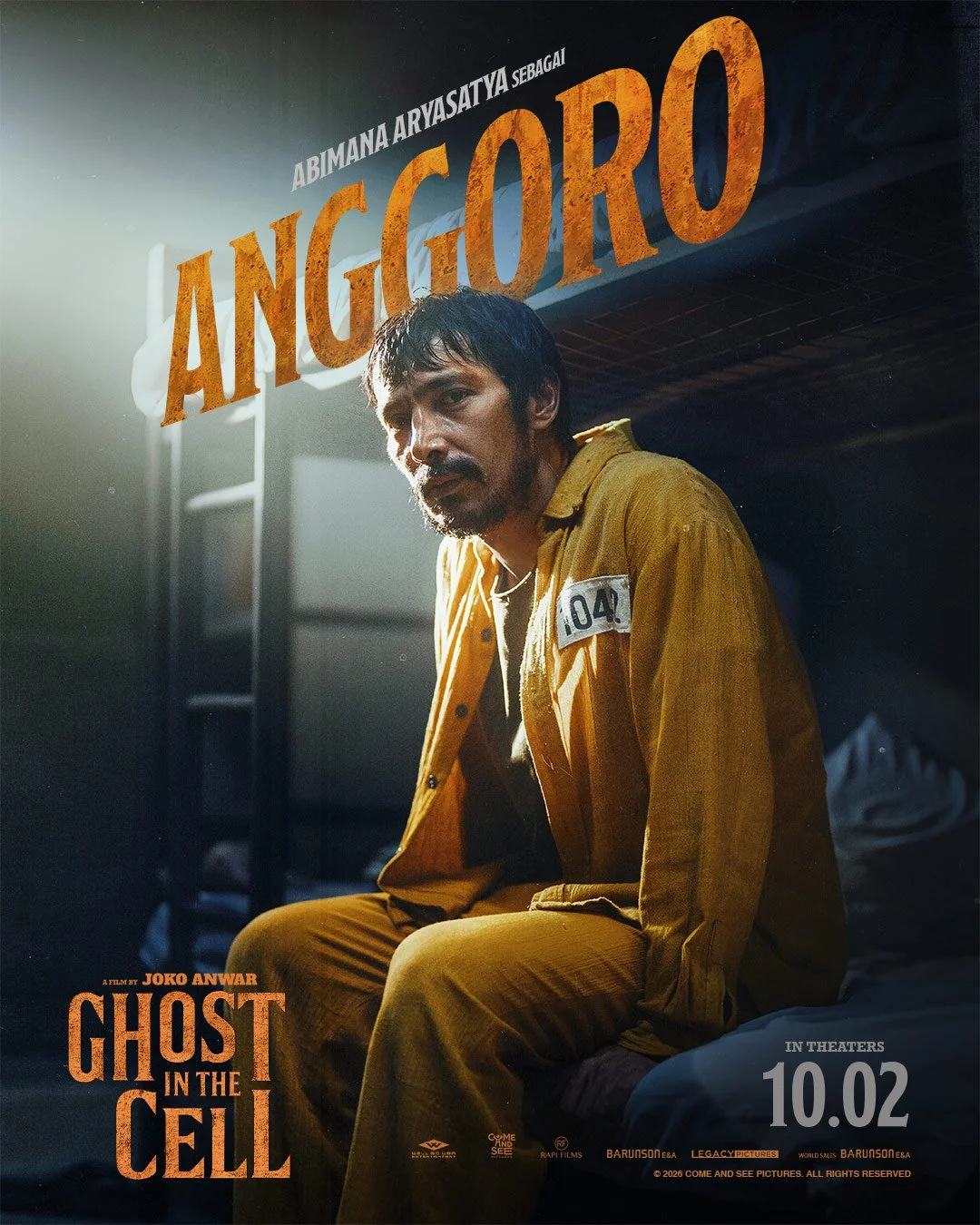
The supplied cast Abimana Aryasatya, Almanzo Konoralma, Aming Sugandhi, Arswendy Bening Swara, Bront Palarae, and Dimas Danang Suryonegoro gives the block a population rather than a single hero. Aryasatya anchors the chaos with a seriousness the gags do not cancel. Aming Sugandhi’s Tokek supplies the film’s coarsest energy. Around them, Anwar builds a small society of wrongfully convicted men, religious conviction, and institutional cruelty, then asks that society to cooperate. The social argument, aimed at corruption and the cost of unchecked anger, is present without becoming a lecture. It is strongest when it is carried by behaviour.
The film premiered in the Berlinale Forum on 13 February 2026, opened in Indonesia on 16 April, and received its North American premiere at Fantastic Fest, where it was reported as Best Picture in the Horror Features competition. That festival path suits it. Ghost in the Cell is not a restrained prestige horror. It is gory, funny, occasionally earnest, and just off-kilter enough to leave a mark. The final stretch repeats a few established beats, and the supernatural rules are more inventive than airtight. Neither fault undoes the experience.
For viewers who can tolerate graphic practical effects and who are willing to follow a prison film into dance numbers and cosmic comeuppance, this is Anwar working at full appetite. No one is safe. The cells cage the horror in. The ghost roams with murderous intent. The surprise is how much pleasure the picture finds in the confinement.
Film page: https://wellgousa.com/films/ghost-cell
Edition: https://www.theofficialconcept.com/magazine-moviereview