Written and directed by Alvaro Orlando
Starring Alvaro Orlando, Evan Ross, Andrew Lewis Caldwell, Alexis Knapp, and Leslie Lluvet
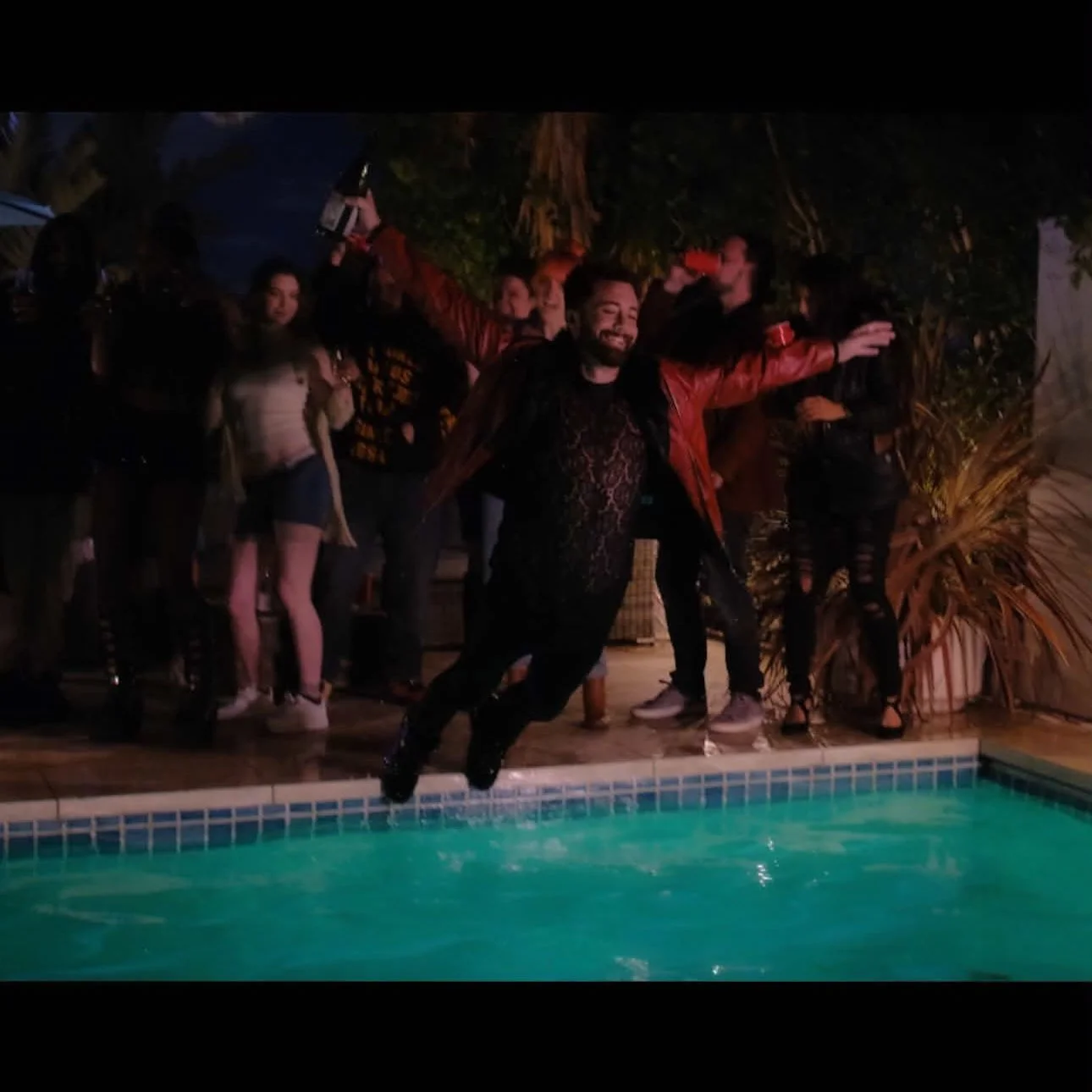
The Pickup Artist is an independent romantic comedy that arrives with an unexpectedly lived-in energy and a clear point of view. Shot primarily in and around Los Angeles, the film carries a contemporary, slightly restless atmosphere that feels grounded in the city’s nightlife and social spaces rather than stylized into pure fantasy. Cinematographer Imre Juhász and a production that benefited from Orlando’s own background as a camera operator and gaffer create a visual approach that is agile and observational. There is a notable steadicam sequence early in the film that navigates tight hallways with fluid, unforced movement, establishing an intimate proximity to the characters without tipping into artificiality. Nighttime party and social scenes pulse with a warm, slightly chaotic glow poolside gatherings and crowded interiors feel populated and spontaneous rather than meticulously staged while quieter moments allow the frame to settle, giving space for the performances to register. The overall look supports the film’s dual nature: energetic enough to sell the more heightened social situations, yet restrained enough to keep the emotional undercurrent accessible.
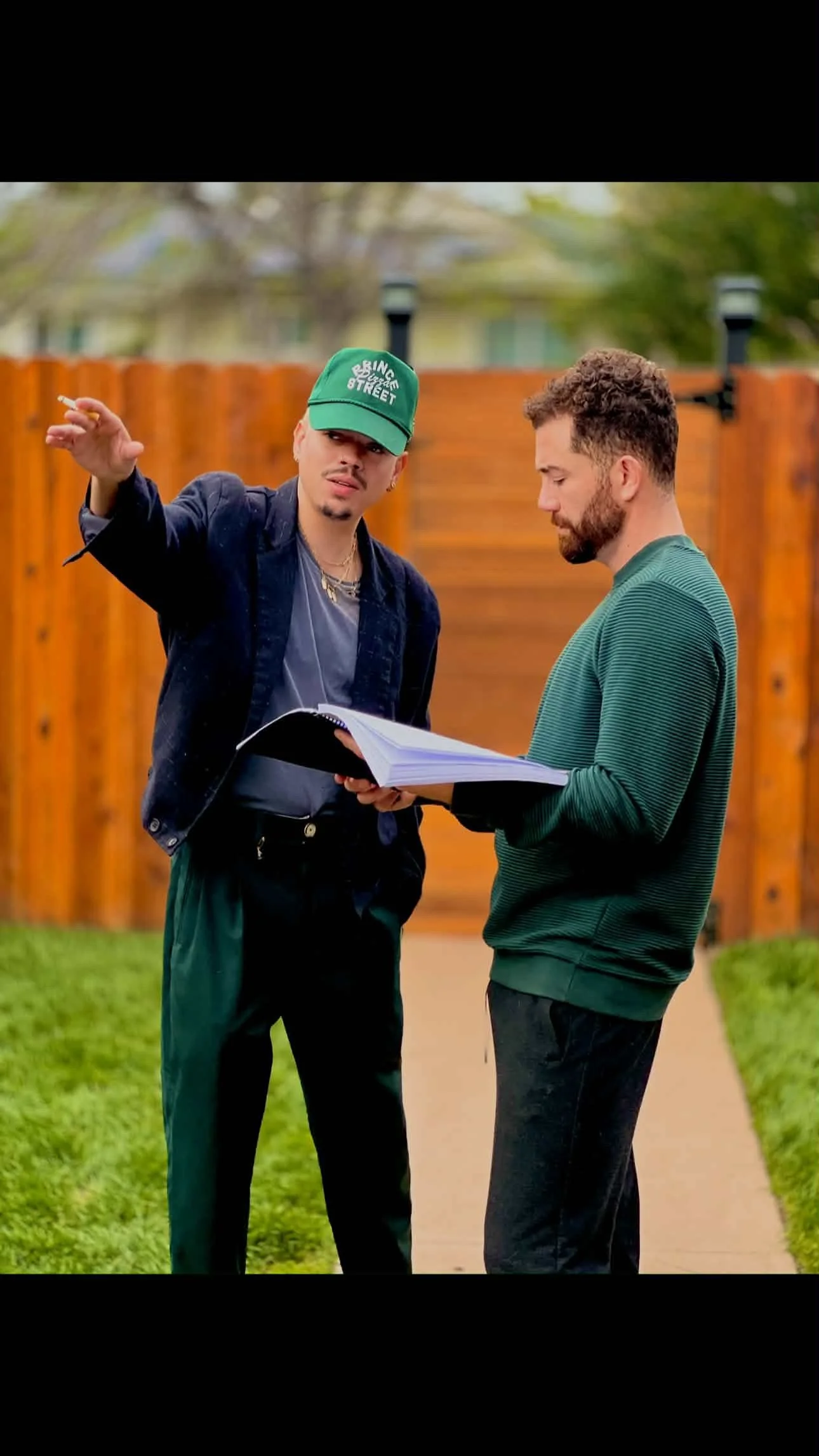
The acting approach is one of the film’s clearest strengths. Orlando, playing Drew, works in a register that balances comic timing with genuine vulnerability. His performance moves fluidly between moments of attempted confidence and visible uncertainty; the shifts feel like facets of the same person rather than abrupt changes in character. Because Orlando also wrote and directed the material, the performance carries an unusual degree of ownership he appears comfortable both inside the character and in the technical demands of being in front of the camera while shaping the scene. Andrew Lewis Caldwell, as Drew’s best friend, matches him with a natural, lived-in chemistry that suggests a long history between the characters; their scenes together have the rhythm of real friendship rather than constructed banter. Evan Ross approaches the role of Havok with an eccentric, slightly off-kilter charm that keeps the character from becoming a simple caricature. Reports from the production note that Ross was drawn to the project after seeing Orlando’s short film Frankie and brought an empathetic, artistically inclined quality that softens the figure while preserving his distinct presence. Alexis Knapp supplies a grounded warmth that provides contrast and balance amid the surrounding energy, while the wider ensemble commits fully to the more colorful personalities that populate the film’s social world. The collective effect is an ensemble that feels specific and human even when the situations grow larger.
The film has found a receptive audience on the festival circuit. It secured a world premiere at the Golden State Film Festival at the TCL Chinese Theatre in late February 2026 and subsequently screened at the Hollywood Reel Independent Film Festival at L.A. Live Regal Cinemas in March. Orlando has indicated that the project was accepted into more than fifteen festivals overall. Additional screenings, including a September 2026 event tied to NALIP at the TCL Chinese Theatre followed by a Q&A, have continued to draw engagement. Audience responses have been notably warm: screenings have produced sustained laughter, attentive quiet during more personal passages, and visible emotional reactions, including from male viewers. A September 2026 review awarded the film four out of five stars and highlighted its heartfelt quality and the authenticity of the central performance. The festival reception has positioned the film as a personal, character-driven comedy that resonates beyond its premise.
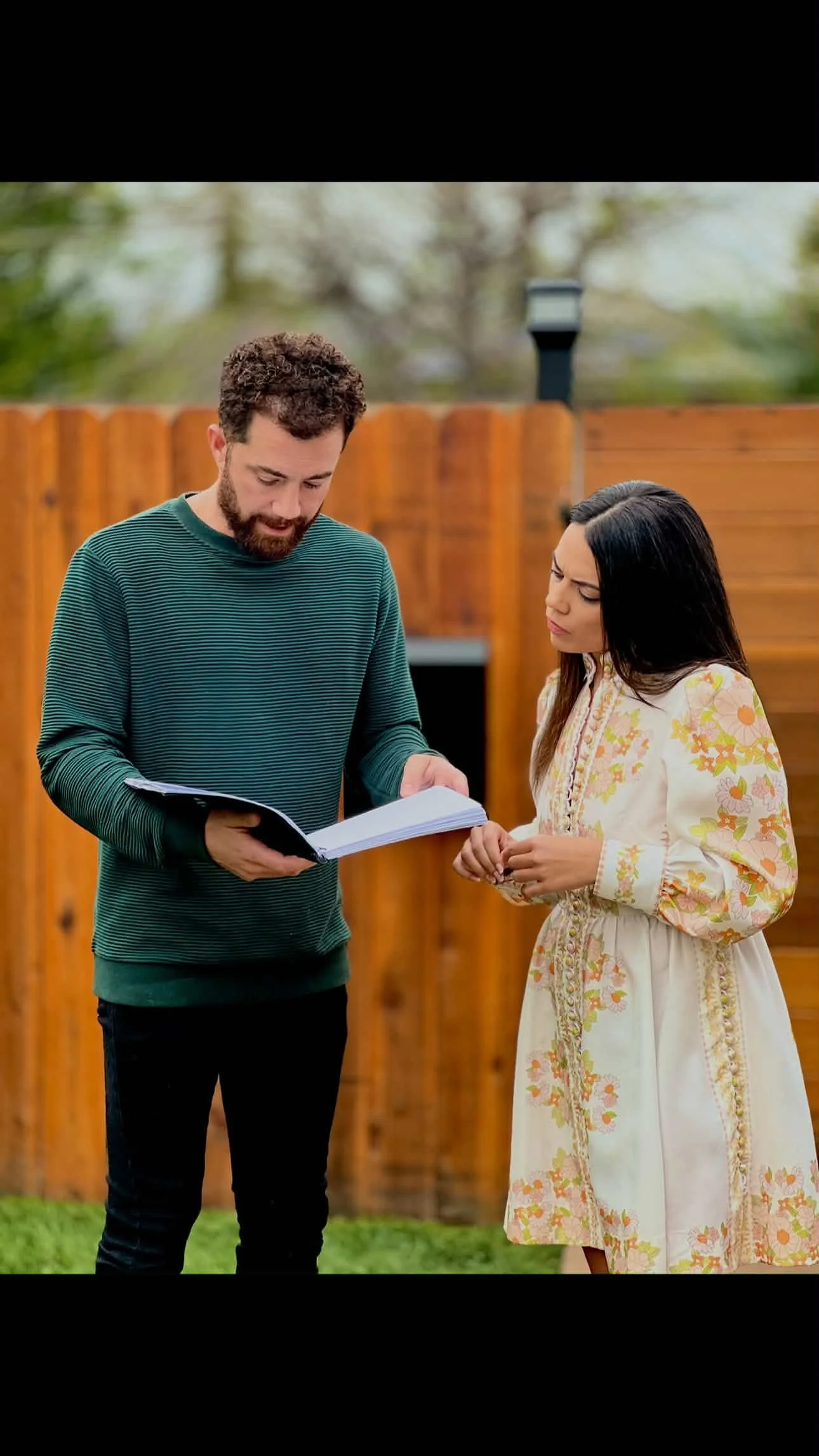
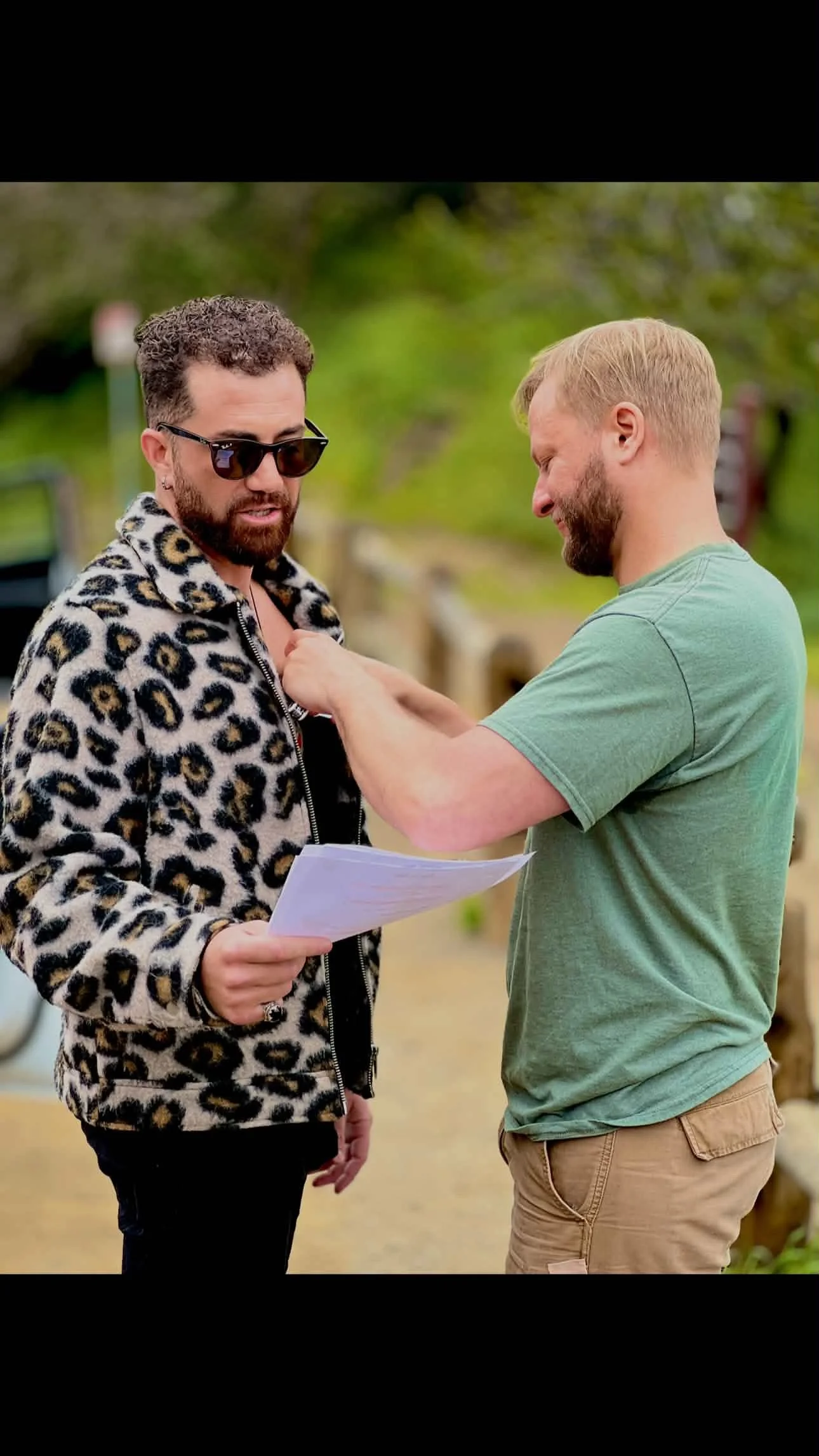
Behind the scenes, the production carries several distinctive details. The screenplay was written in roughly seven days after Orlando was strongly affected by Silver Linings Playbook; the project then spent approximately fifteen years in development because he declined opportunities that would have required him to step away from the lead role. Production in Los Angeles involved the familiar independent challenges of permits, location access, and coordinating large numbers of extras for a key mansion environment. Weather intervened on the day of a pool-party sequence, requiring on-the-spot adjustments. The film opens with real archival footage of Orlando as a child, reflecting personal material he has discussed in interviews, and features his actual dog, a longtime veteran of several productions. Wardrobe choices designed to satirize certain social styles reportedly drew real-world attention when tested off set. Orlando’s technical experience behind the camera contributed to his comfort directing himself, allowing him to move between roles with relative fluency on a modestly resourced shoot that demanded long hours and rapid problem-solving.
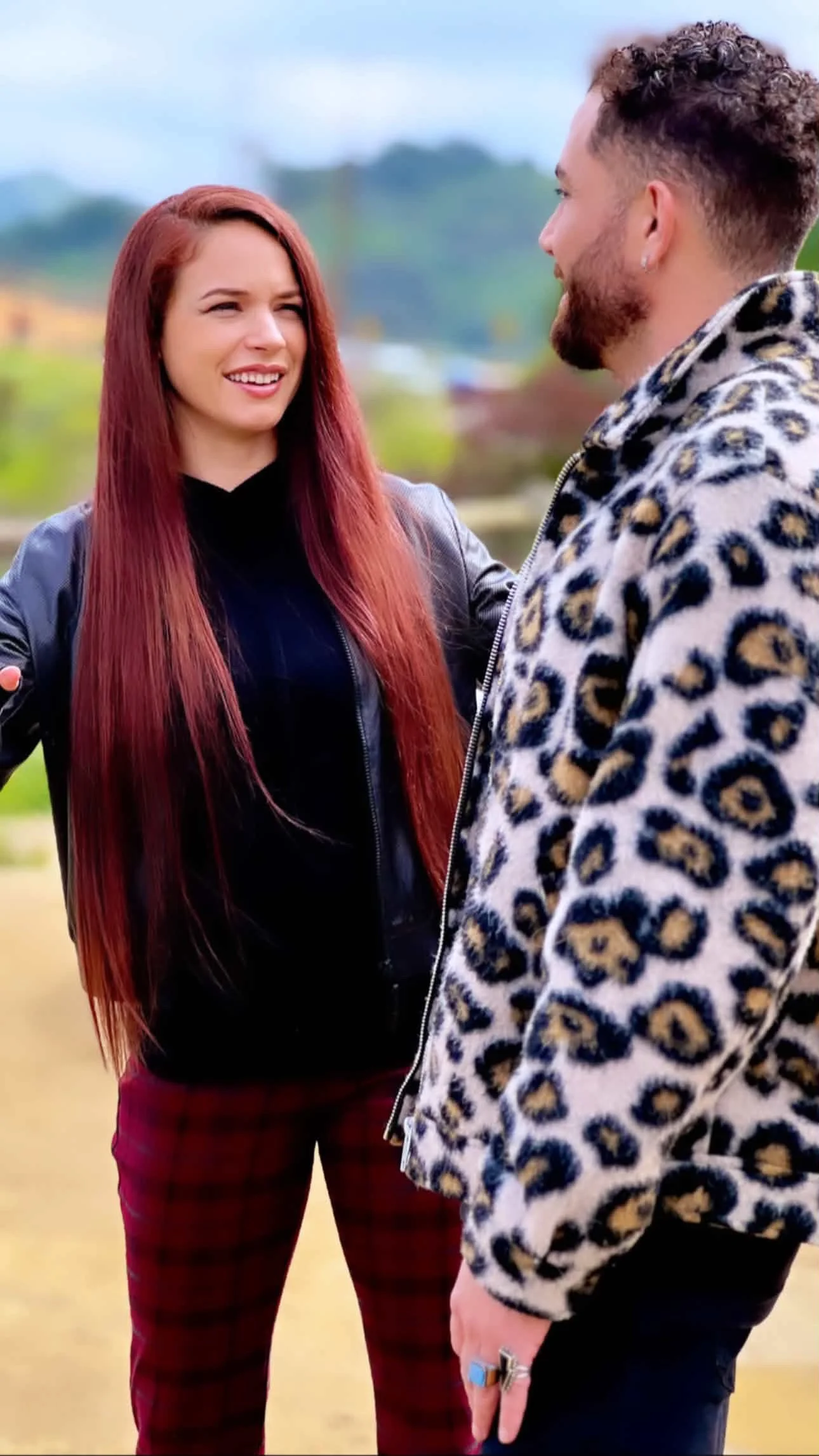
The result is a film whose atmosphere feels specific to its Los Angeles settings and whose performances carry a convincing blend of humor and sincerity. Its continued presence on the festival circuit, positive audience reactions, and the personal investment evident in both the acting and the production process give it a distinct character among recent independent romantic comedies.