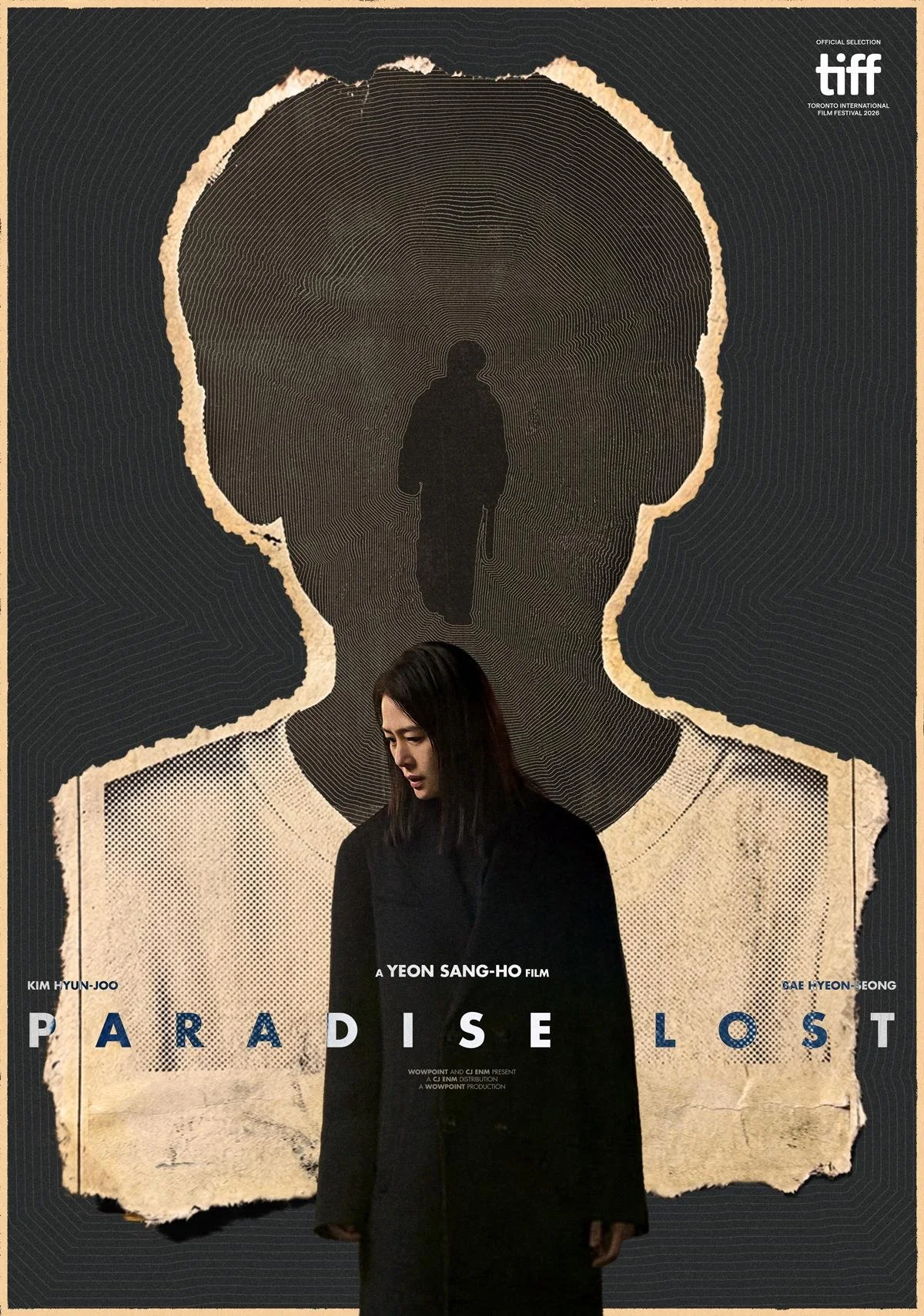
Paradise Lost is a precise and quietly devastating psychological thriller that affirms Yeon Sang-ho’s deepening command of intimate family fracture and the limits of recognition. Operating at a deliberate remove from the large-scale genre works that first brought him international attention, the film concentrates on a single, untenable situation: a mother who has learned to live with an AI reconstruction of her missing son and must then confront the adult who returns in his place. The result is austere, controlled, and emotionally exacting an experience that rewards viewers prepared to sit with unease rather than resolution, and one that lingers precisely because it refuses to resolve the gap it opens.
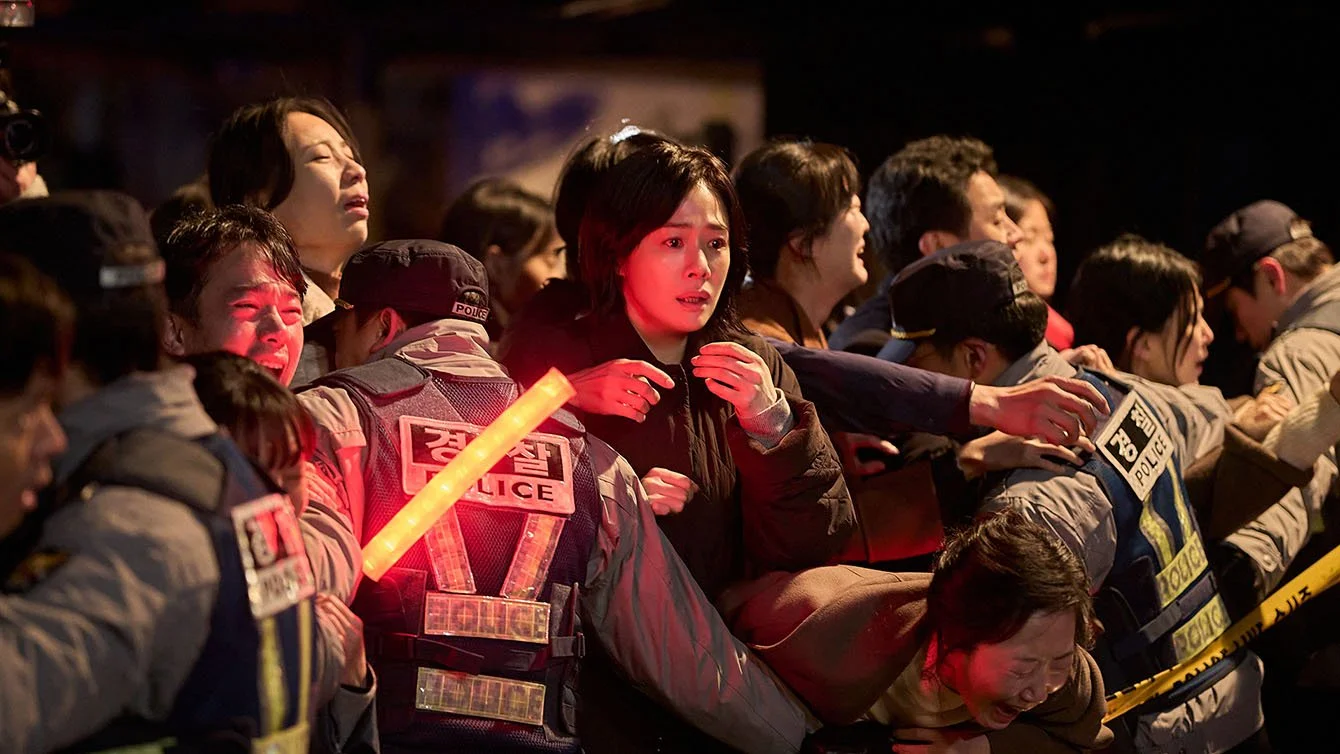
Yeon and co-writer Ryu Yong-jae withhold easy clarification about the years of absence; instead they hold the viewer inside the immediate, daily difficulty of cohabitation. The film’s tension arises less from external investigation than from the accumulating mismatch between the child preserved in technology and memory and the distant man who now occupies the same rooms. That mismatch is sustained with unusual care; the discomfort never tips into spectacle, yet it remains continuously felt.
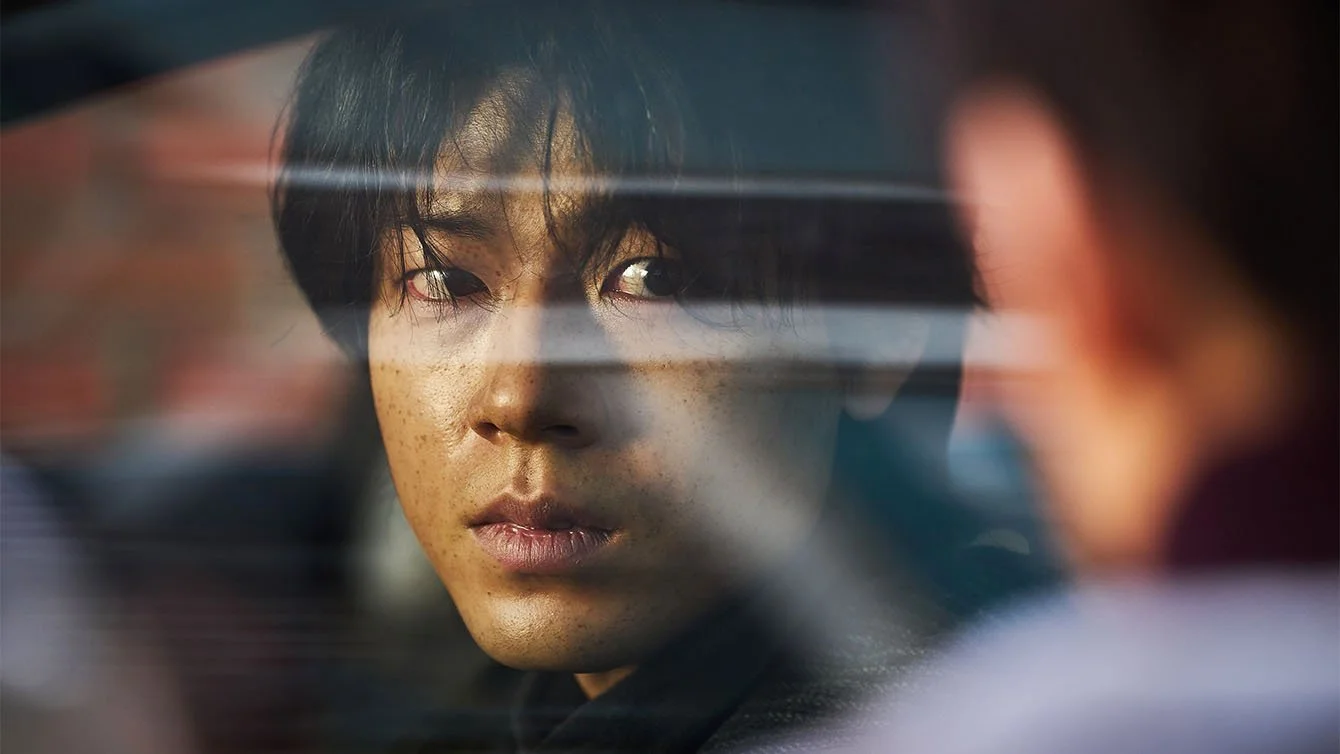
Kim Hyun-joo, returning to a leading feature role after an extended period dominated by television and streaming work, gives So-young a performance of sustained exhaustion that is among the most exacting in her collaborations with the director. She has worked with Yeon on multiple earlier projects, including Hellbound and Jung_E, and the trust is evident in the freedom she is given to play restraint. The character’s reliance on the AR glasses registers as both necessary maintenance and a form of arrested attachment; Hyun-joo never overplays the grief, allowing the daily ritual itself to convey how thoroughly it has shaped her. Bae Hyeon-seong, in his first leading screen role, supplies the necessary counter-presence. Previously seen only briefly in Hellbound Season 2, he approaches Sun-woo through aloofness rather than overt threat: a guarded posture, a cold gaze, and a physicality marked by scars that refuse the mother’s remembered image of innocence. Their scenes together generate discomfort through what is withheld eye contact that does not quite land, conversations that stall, the simple fact of sharing space with someone who cannot be fully recognised. The two performances lock together with unusual precision, each making the other more legible without ever softening the distance between them.
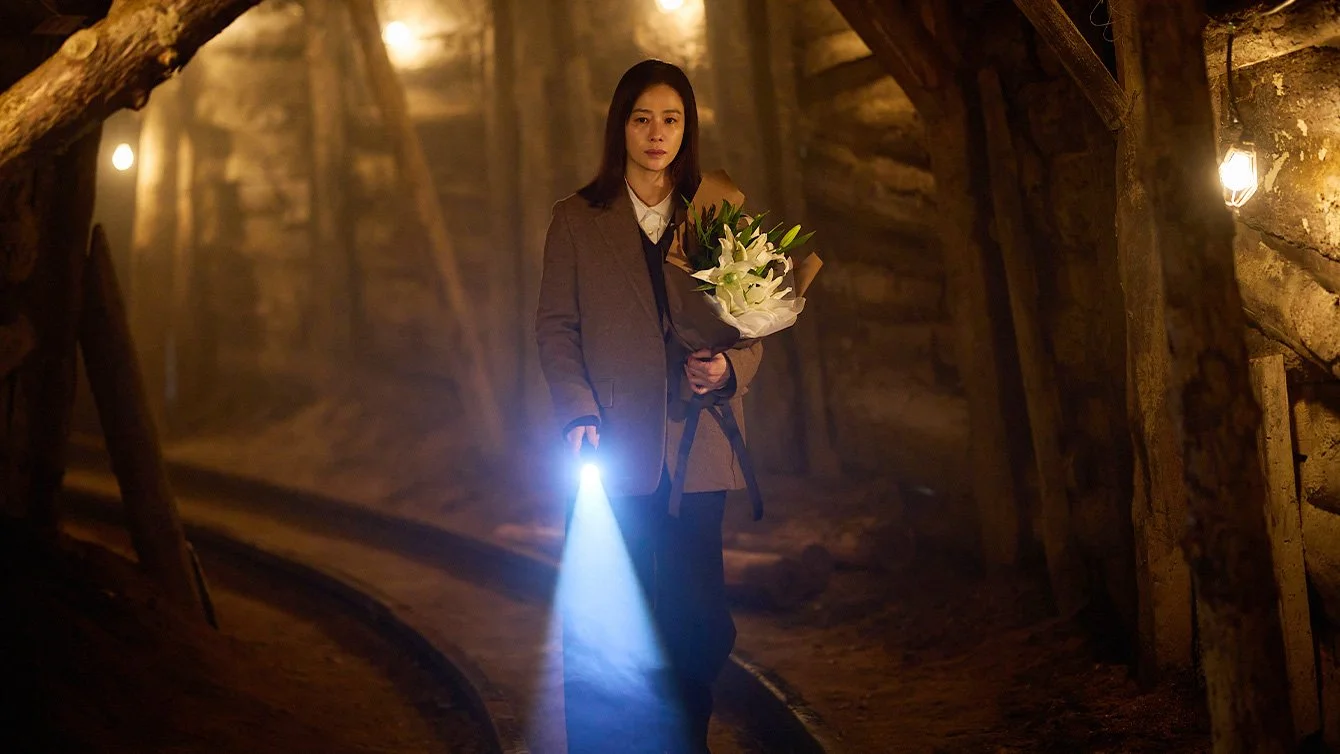
Yeon’s direction is economical and tonally consistent. He forgoes the kinetic set pieces associated with Train to Busan or Colony in favour of lingering compositions and a muted palette that keeps the viewer inside So-young’s narrowed perception. The AR sequences are handled with welcome restraint; they appear as domestic technology rather than futuristic spectacle, their comfort inseparable from their distorting effect. The forlorn mining-town locations tunnels, industrial remnants, modest interiors stand in deliberate contrast to the cleaner spaces of the AI firm, reinforcing the isolation in which the central relationship must be negotiated. Cinematographer Song Hyun-suk and editor Park Ju-ae maintain a measured rhythm that privileges atmosphere and performance over acceleration. The result feels inhabited rather than constructed, the modest scale sharpening attention on the human problem at the centre.
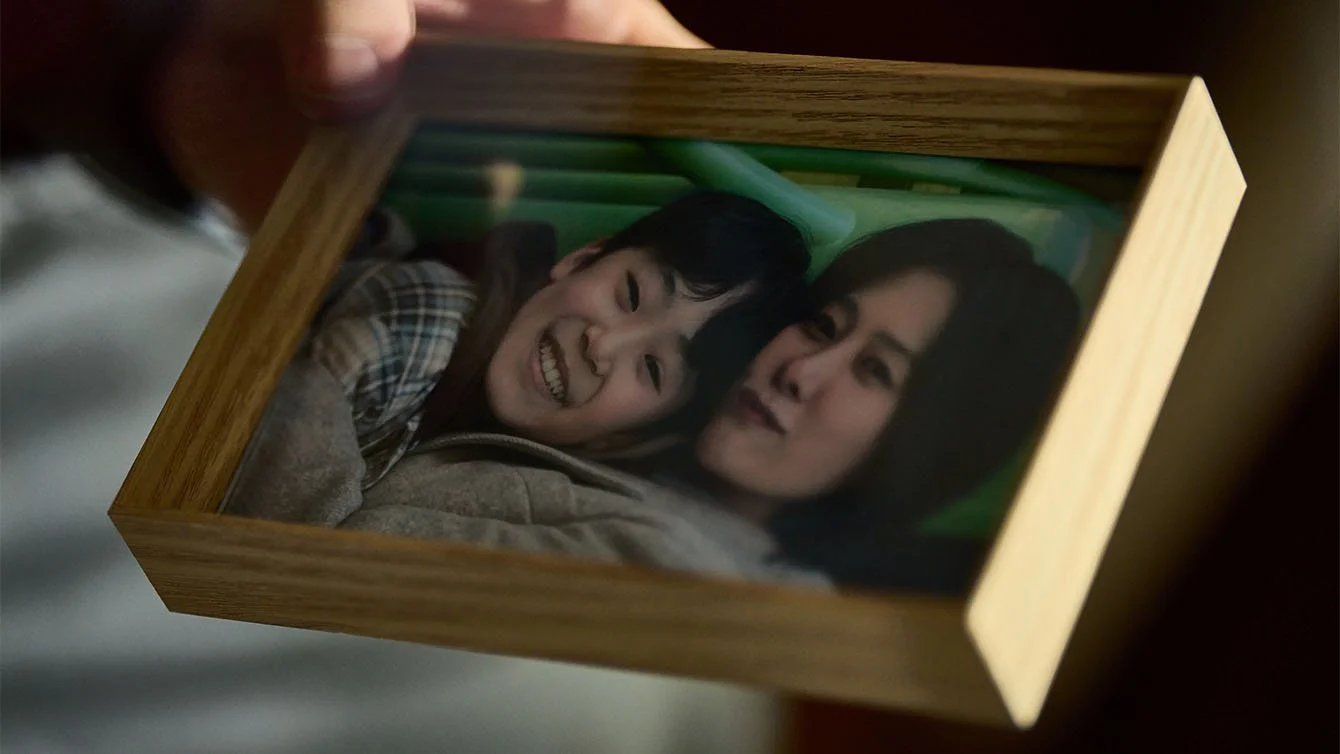
The film’s origins help explain its refusal of conventional catharsis. It is adapted from the novel Black Inferno by Oh Seong-eun, yet its deeper source is a three-page piece written by Yeon’s own mother. During a family visit she expressed concern that screenwriting was too difficult for him; he replied that anyone could write. On a subsequent visit she presented the short text, which he purchased from her “at a discount” and developed through multiple drafts with Ryu Yong-jae. The mother’s sketch concerned a parent who finds it unbearable simply to watch a child commit harmful acts and ultimately resolves to absorb that darkness rather than surrender the child to external judgment. Yeon has described the material as prompting reflection on a form of maternal love that seeks to contain and extinguish a child’s extremity within itself. That private origin is visible in the film’s willingness to examine devotion that does not align with easy public sympathy an approach that remains rigorous even as it invites emotional recognition.
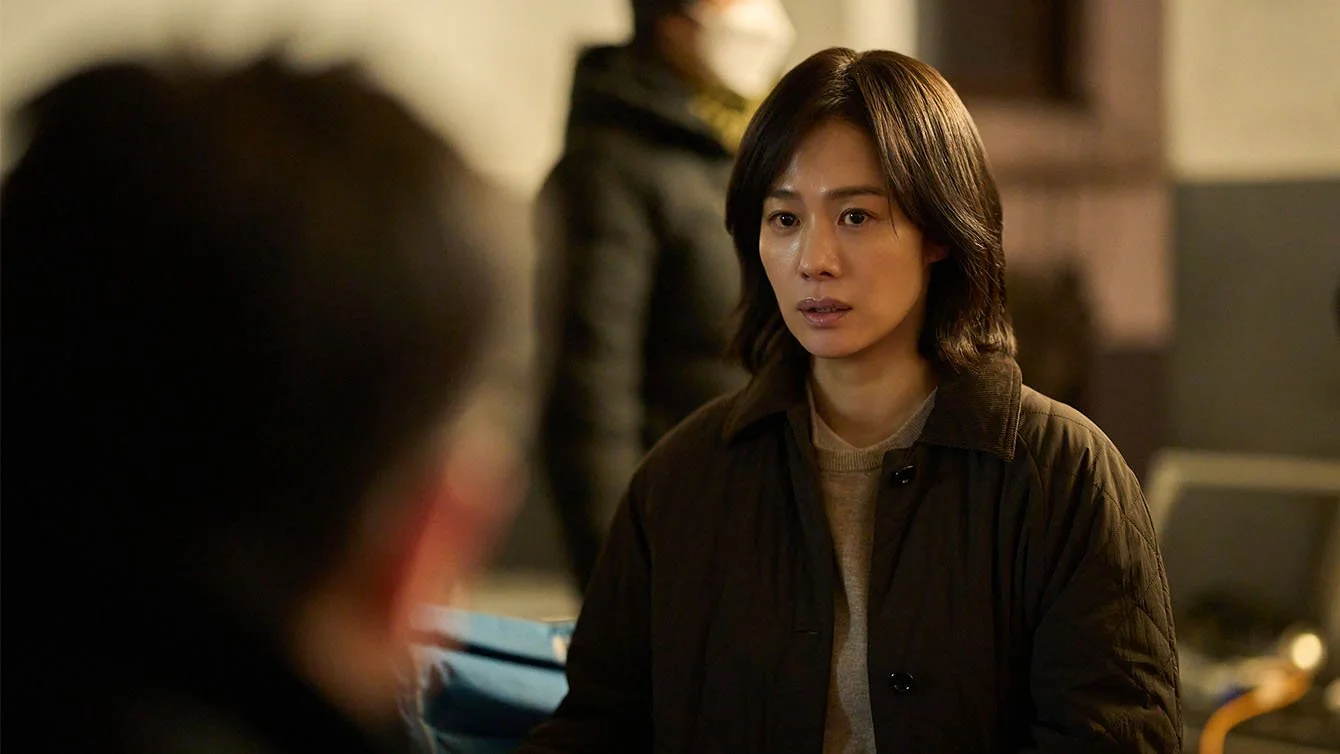
Production circumstances further shaped the finished work. Made for approximately 500 million won and shot in roughly fourteen days with a crew of about twenty, Paradise Lost follows the ultra-low-budget model Yeon had already tested with The Ugly. The constraint appears to have sharpened rather than limited the film. Locations feel lived-in; attention remains fixed on the mother-son dynamic; and the modest scale keeps the technological element subordinate to the human problem it creates. International pre-sales to 118 territories ultimately exceeded the production budget before the Korean theatrical opening, yet nothing in the film itself suggests an attempt to broaden its appeal during production. Yeon has characterised the project as a continuation of The Ugly’s interest in family, yet darker and colder an assessment borne out by the finished work’s insistence on ambiguity.
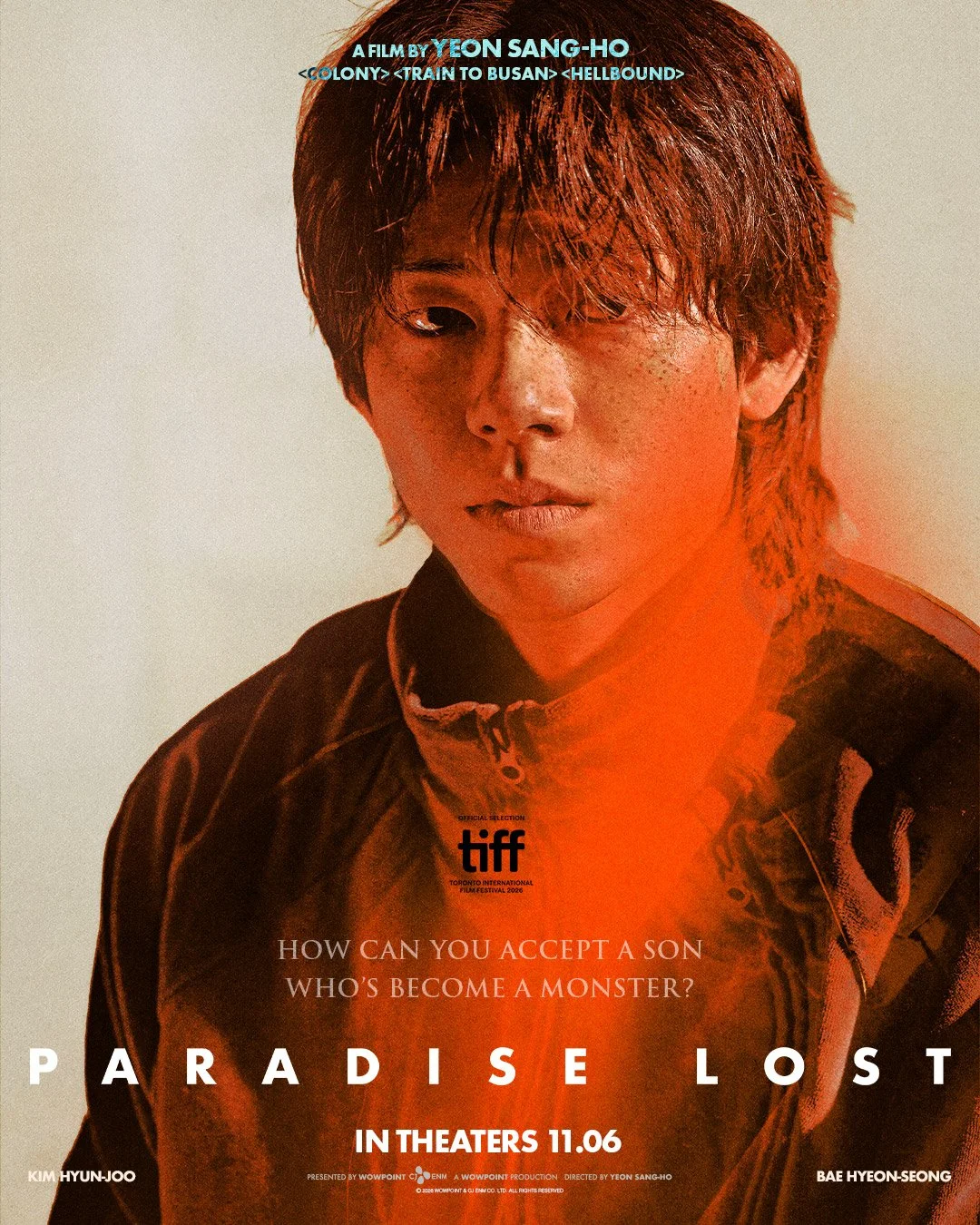
Thematically, the film concentrates on the limits of recognition and the persistence of grief in the presence of technology. So-young’s daily use of the AR program raises the question of whether a consistent, non-aging digital version of a lost child can satisfy needs that a living, changed person cannot. The adult son’s return introduces the problem of continuity: what remains of a person after years of absence, and how far a parent’s memory and desire can accommodate radical alteration. Artificial intelligence functions here less as a speculative threat than as an already ordinary coping mechanism whose danger lies in freezing a preferred version of the past. Maternal love is treated as both sustaining and potentially consuming an attachment that prefers to absorb darkness rather than release the child to systems or judgment. The central choice is meant to be emotionally understandable even if it resists easy rational agreement. The film therefore keeps its pressure on the gap between the child who exists only in technology and memory and the adult who returns in the flesh, without offering a tidy resolution to that gap. The effect is absorbing precisely because the pressure never lifts.
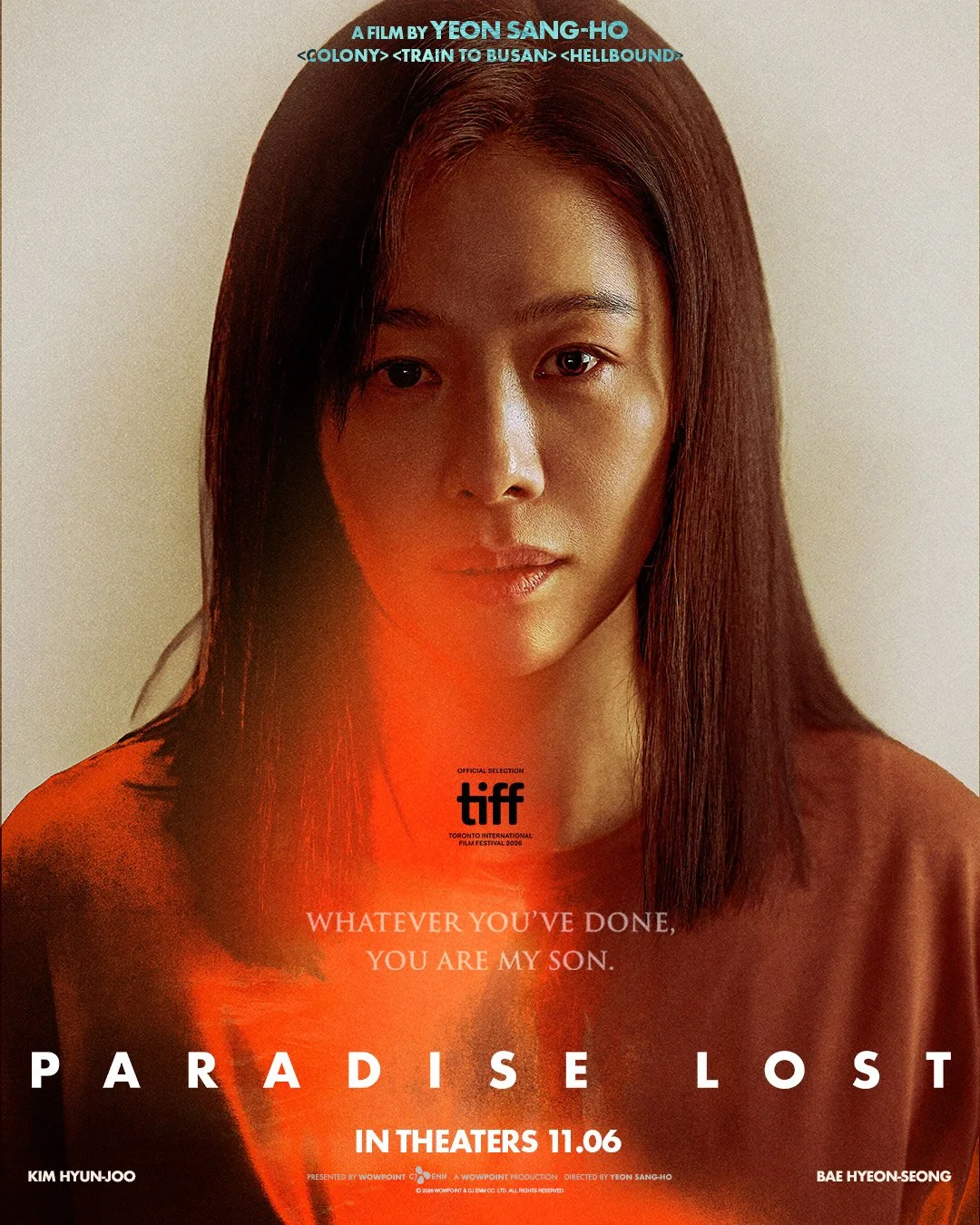
Paradise Lost will satisfy viewers seeking mystery resolution or large-scale thrills. Its connection is deliberate, and its refusal of easy moral clarity is consistent with both its private origins and its constrained production. For those receptive to Yeon Sang-ho’s quieter examinations of human extremity grief that refuses to update itself, love that collides with an unrecognisable reality, technology that both soothes and isolates the film is precise, absorbing, and lingering. It is a strong, self-contained addition to his body of work and a persuasive demonstration that his most unsettling material can still emerge from the smallest of resources and the most personal of starting points. The experience stays with the viewer long after the final image, not because it answers its questions, but because it has made the difficulty of living inside them feel exact and unforced.