In This November edition of The Official Concept Magazine examines practices that remain personal even after they meet a larger audience. It gathers four distinct forms of work: a lifetime of distance spiritual support formalised without loss of its private character; a designer’s approach to ring and stage attire that treats the garment as an extension of the person who wears it; an actress’s path from medicine to a recurring role on a major Netflix series; and a restrained psychological thriller that stays inside the difficulty of recognising someone who has returned. Together these pieces turn on continuity, attention, and the difference between what can be arranged and what must be held.
Rita Laura Ernst has practised distance spiritual support for decades. Raised in the Catholic faith under the influence of a grandmother who taught laying-on of hands, prayer and visualisation, she recounts a childhood apparition of Jesus that confirmed a vocation of healing and clairvoyance. Her Swiss practice began with a single Spanish-speaking client and expanded through recommendation and a radio interview that brought more than seven hundred enquiries. In 2023 she established Fernheilung RE GmbH so that new clients would encounter a formal structure; her daughter manages the company while Ernst continues every conversation and treatment. She works with photographs, dates of birth and locations, using clairvoyance, personally written affirmations, visualisation and prayer. Client accounts are presented as personal reports rather than claims. She does not work with those who lack openness, treats affirmations as optional, and rests her method on energy rather than ritual. Travel renews her. Spiritual abundance, for her, appears across every domain, and professional success is an expression of self-love. Her greatest achievement remains the trust of longstanding clients and, in time, their children. The three-month process is explained in advance; the review of outcomes belongs to its end. The care stays personal.
Javier Zinzun Jr. designs for the ring and the stage under the name “I Got My Own Back.” What he wants a wearer to feel, before any story is known, is strength and self-worth. A custom set begins with listening so that the garment functions as an extension of the person before they step into the ropes. The red set he built for Ryan Garcia carried confidence and presence onto the largest stage. Beyond the tape he watches posture, movement, and the difference between confidence and hesitation. Fashion for a boxing body must account for heat, weight, movement, and the speed with which a robe comes off; beauty that interferes is redesigned. Close camera work forces attention to stitching and light that a crowd never sees. Presence carries from the ring to the entertainer; everything else is rebuilt around how that person moves under stage lights. Dressing people whose names will never appear in lights matters because the brand is rooted in self-worth. As a Latino designer from Santa Ana with Purépecha roots, he places himself inside the longer history of fashion in boxing and intends the place to open for those who follow. Work with IGMOB Talent Group is, for him, another form of tailoring of opportunity rather than fabric. He once worked security at the events where he is now a guest. The standard he holds is to give the work his best before anybody knows his name.
Jackie Dallas is a Korean-American actress whose path from medicine to performance led her from residencies in surgery and pathology to a recurring role as Jia-Yi in Netflix’s The Hunting Wives. After a childhood in a family of doctors and years in clinical training, she relocated to California, immersed herself in the independent film scene, and landed her breakthrough as Jen in the first season of Stranger Things. She continues to build a diverse body of work across series while advocating for women’s health through HerHealth101.com and for broader representation in casting. The same attention she once brought to patients now shapes how she approaches character: making them feel real by imagining how a person would handle what is given to them.
Paradise Lost, directed by Yeon Sang-ho, is a restrained psychological thriller of 101 minutes. Nine years after a school camping bus vanishes, a mother has organised her mornings around an augmented-reality program that lets her speak to a version of her son frozen at the age he disappeared. When the adult returns scarred, distant, almost unrecognisable the arrangement collapses. The film stays inside that collapse. Kim Hyun-joo gives the mother a performance of sustained exhaustion; Bae Hyeon-seong, in his first leading role, answers with guarded distance. Yeon’s direction is economical, the palette muted, the AR sequences treated as domestic technology rather than spectacle. Shot in roughly fourteen days on a modest budget, the constraint keeps attention on the mother-son dynamic. The deeper origin is a three-page text by the director’s mother: a parent who finds it unbearable simply to watch a child commit harmful acts and chooses to absorb that darkness rather than release the child to external judgment. Maternal love is treated as both sustaining and potentially consuming. Artificial intelligence functions less as threat than as an ordinary mechanism that freezes a preferred past. The film offers no tidy resolution to the gap between the child preserved in technology and memory and the adult who returns in the flesh. It remains precise because it does not lift the pressure.
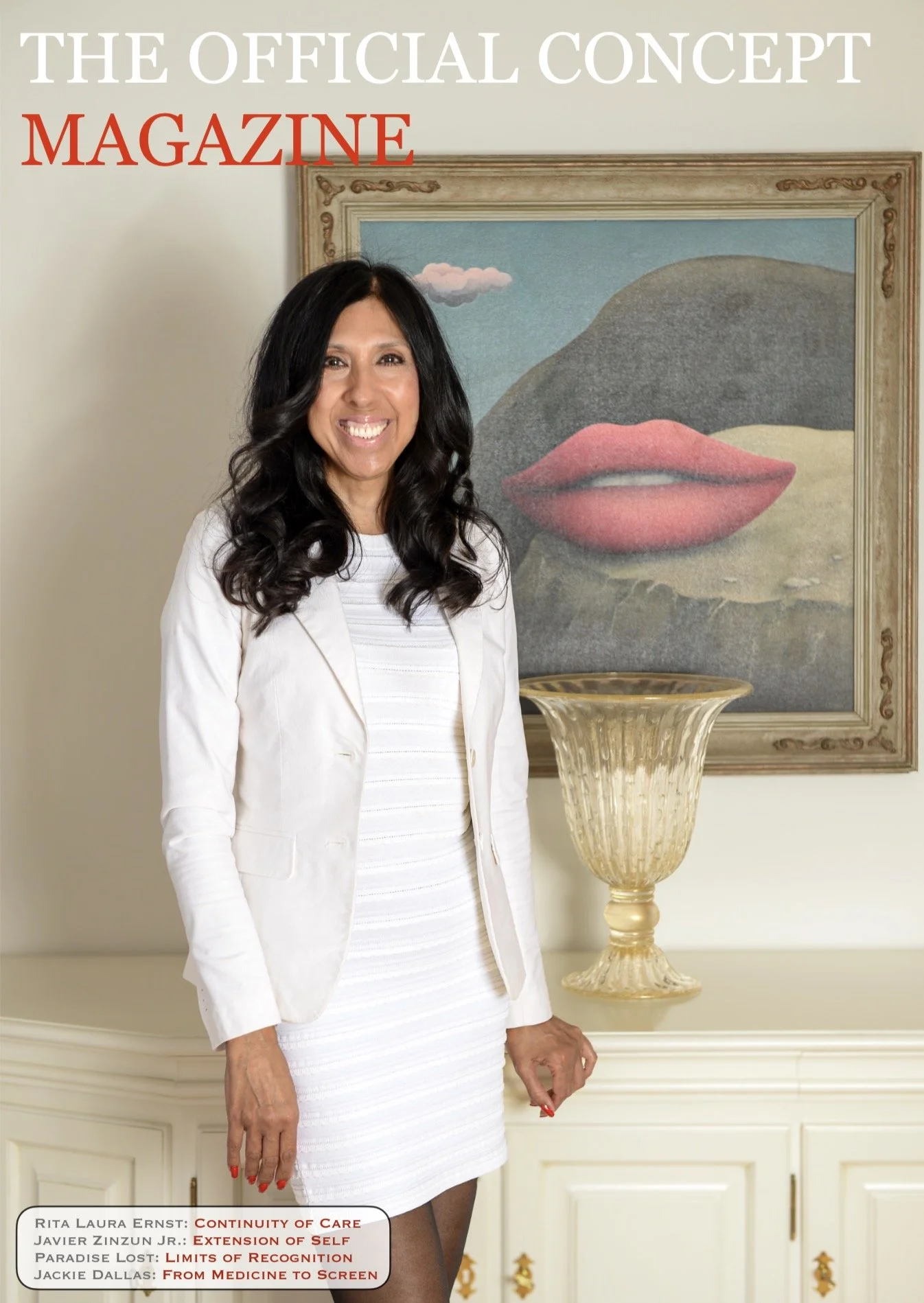 Image 1 of 10
 Image 2 of 10
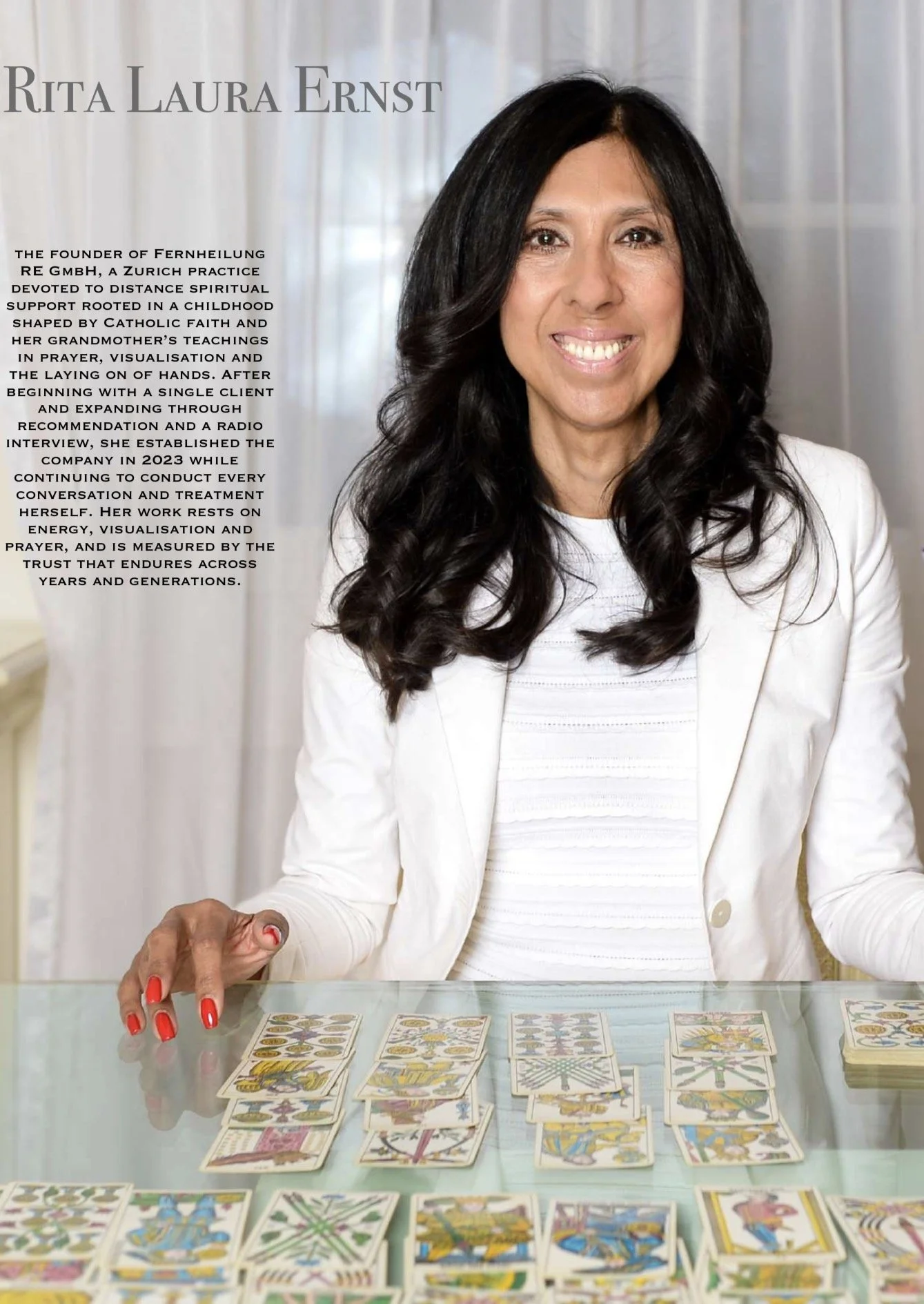 Image 3 of 10
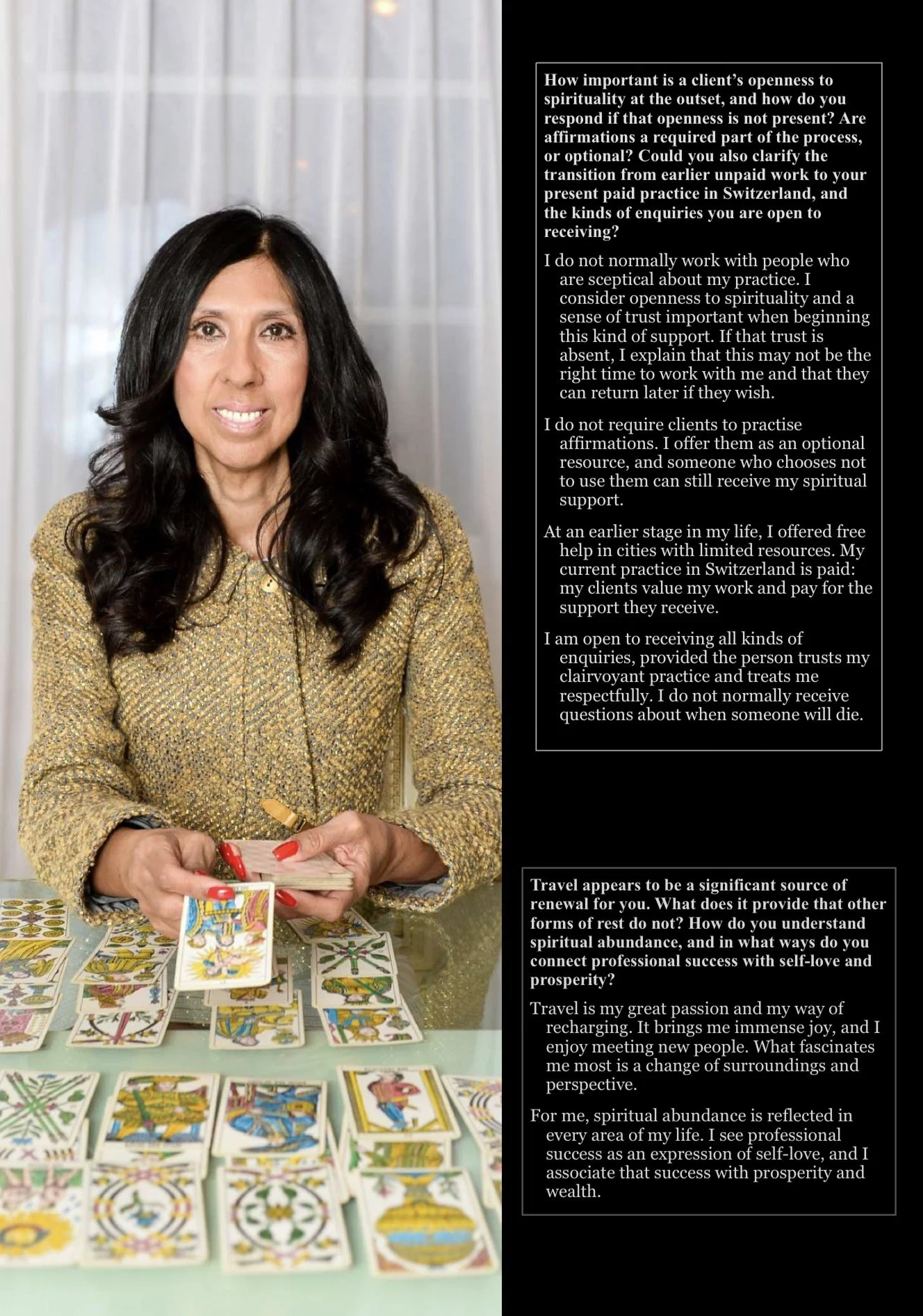 Image 4 of 10
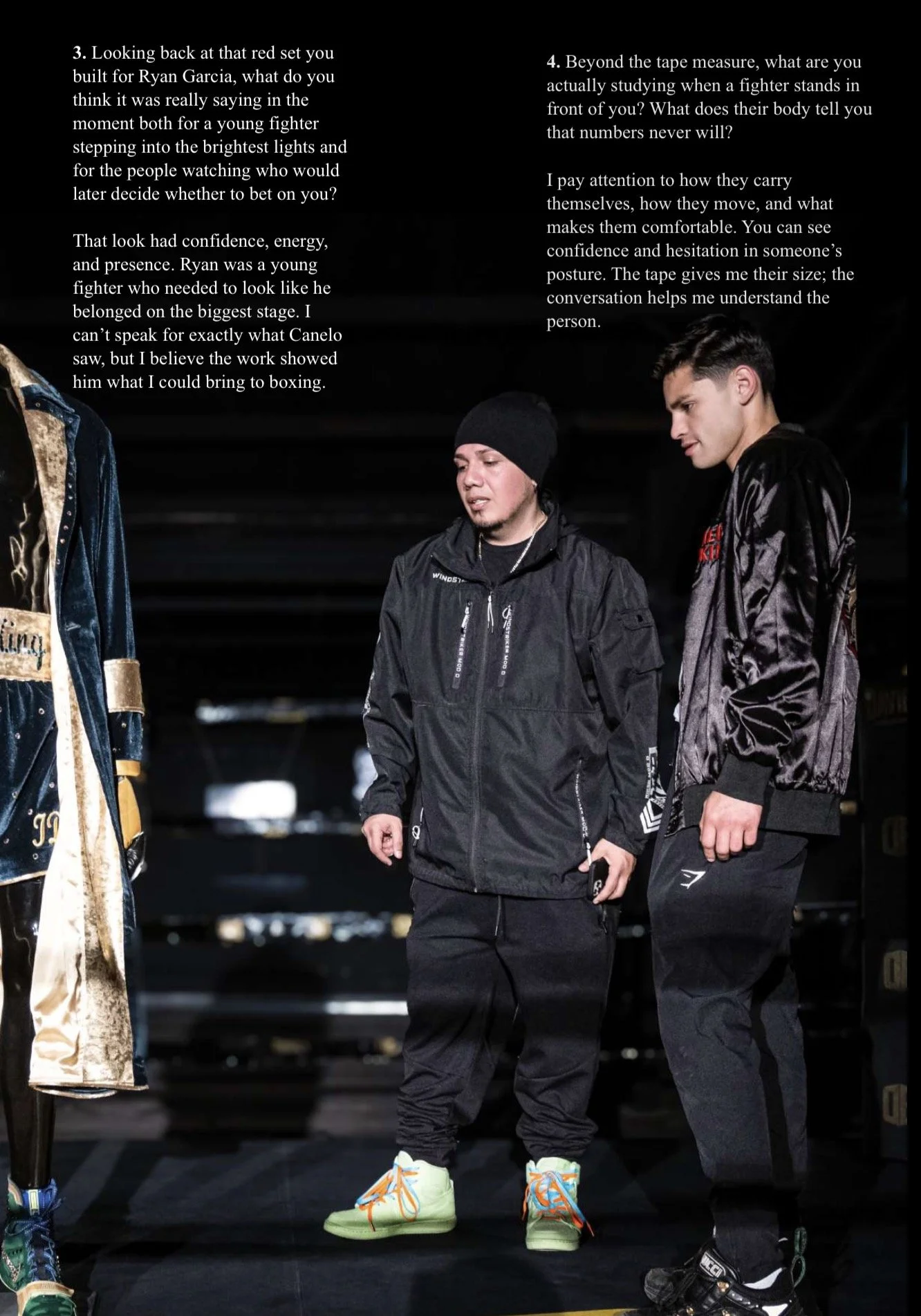 Image 5 of 10
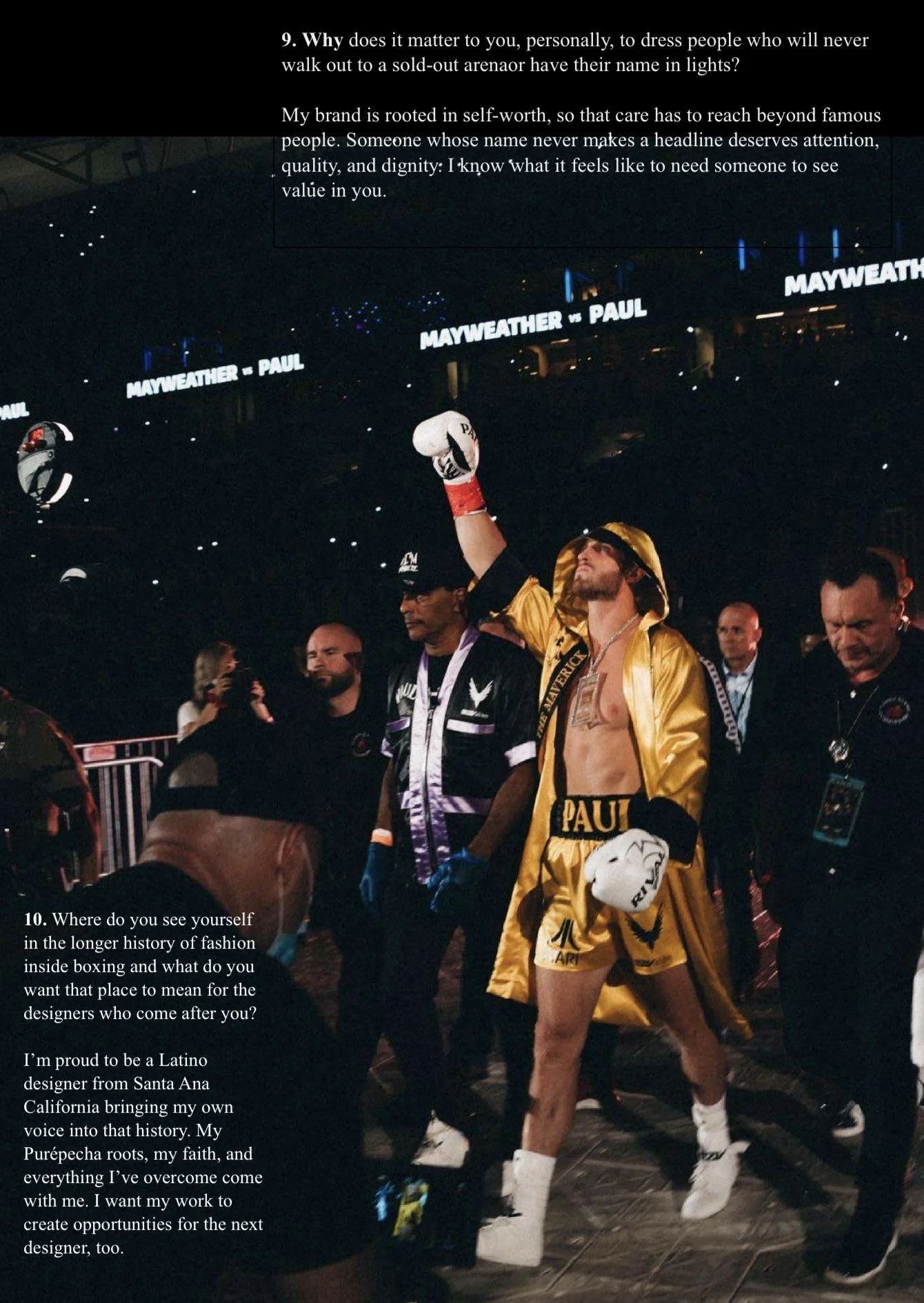 Image 6 of 10
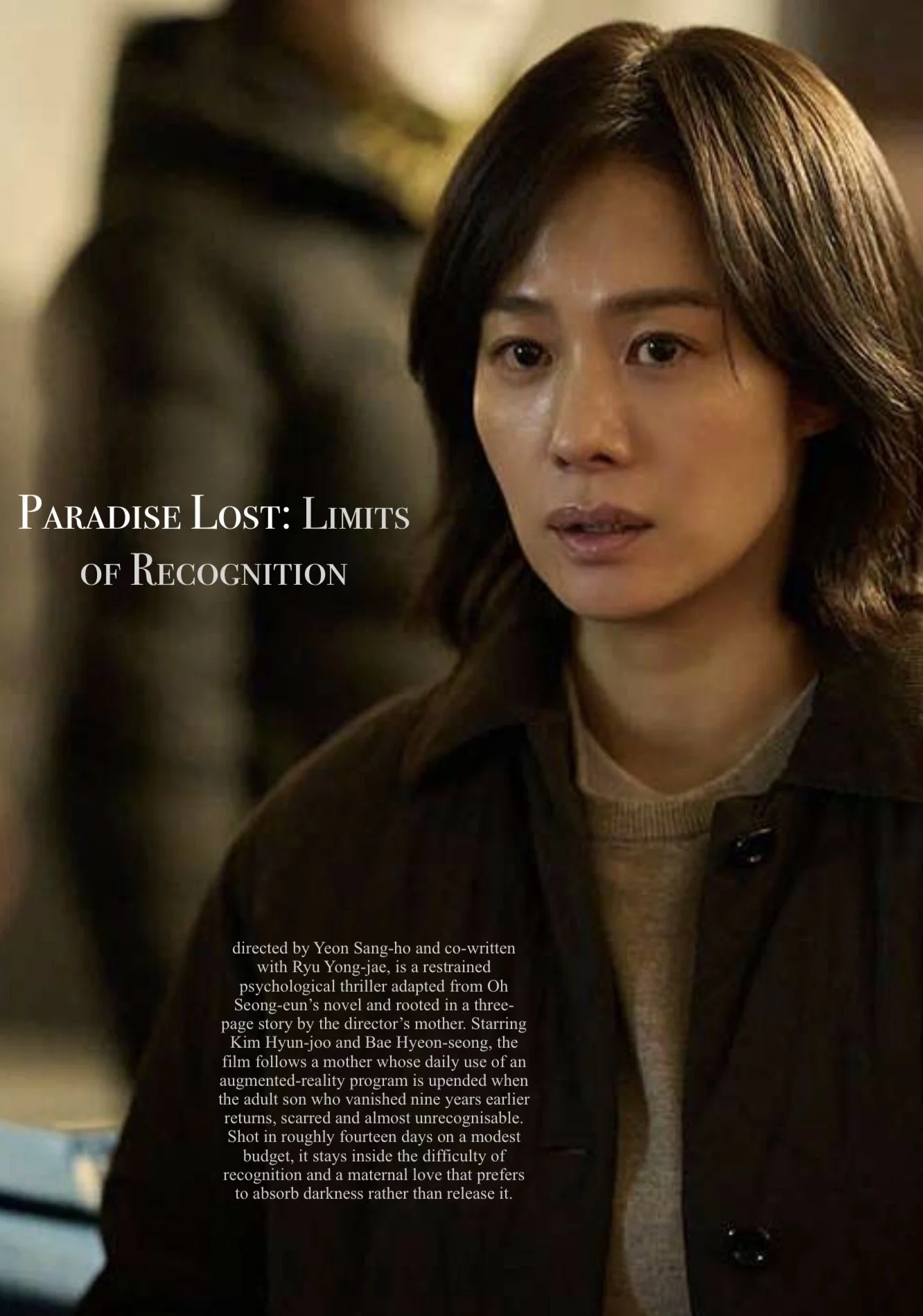 Image 7 of 10
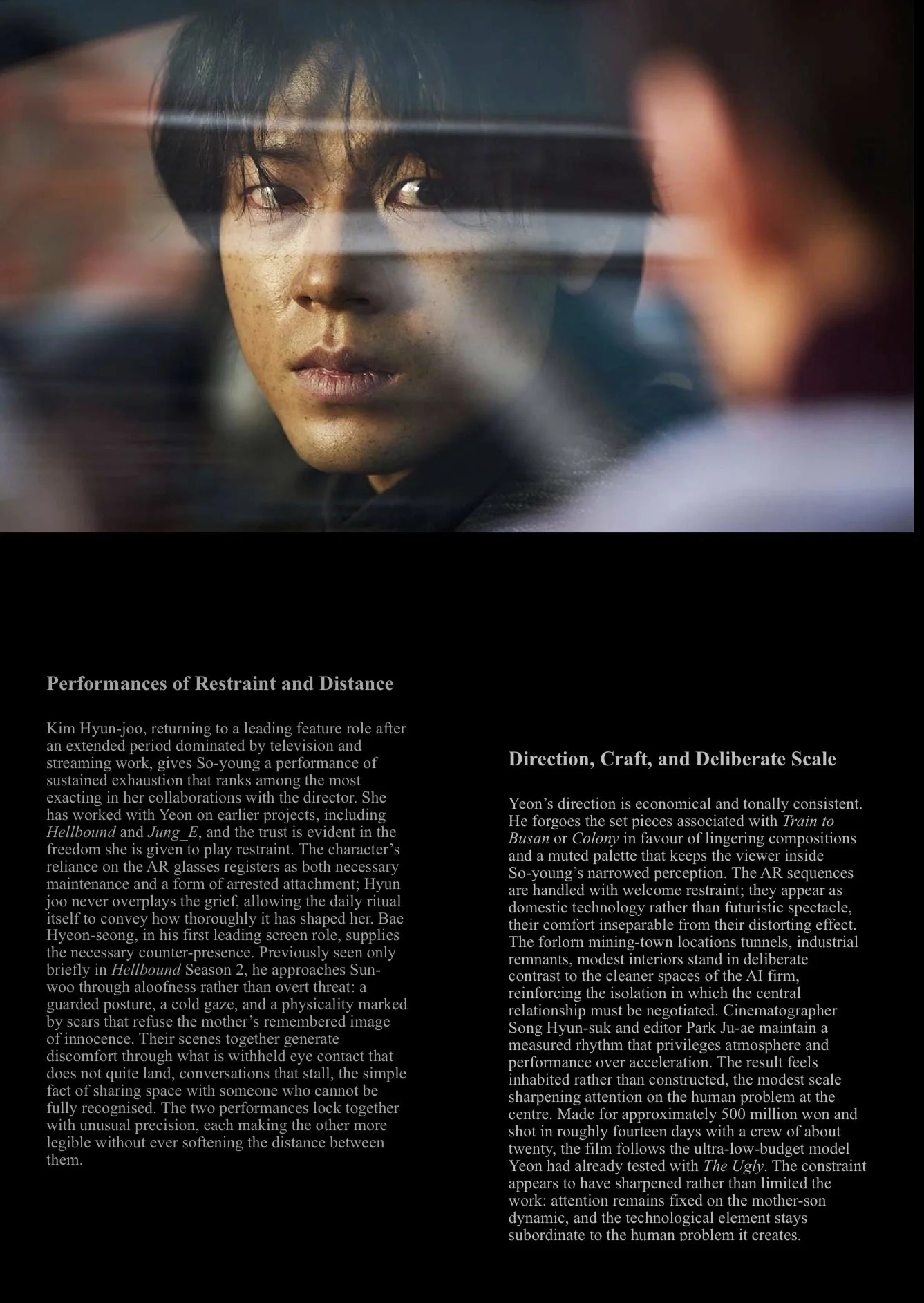 Image 8 of 10
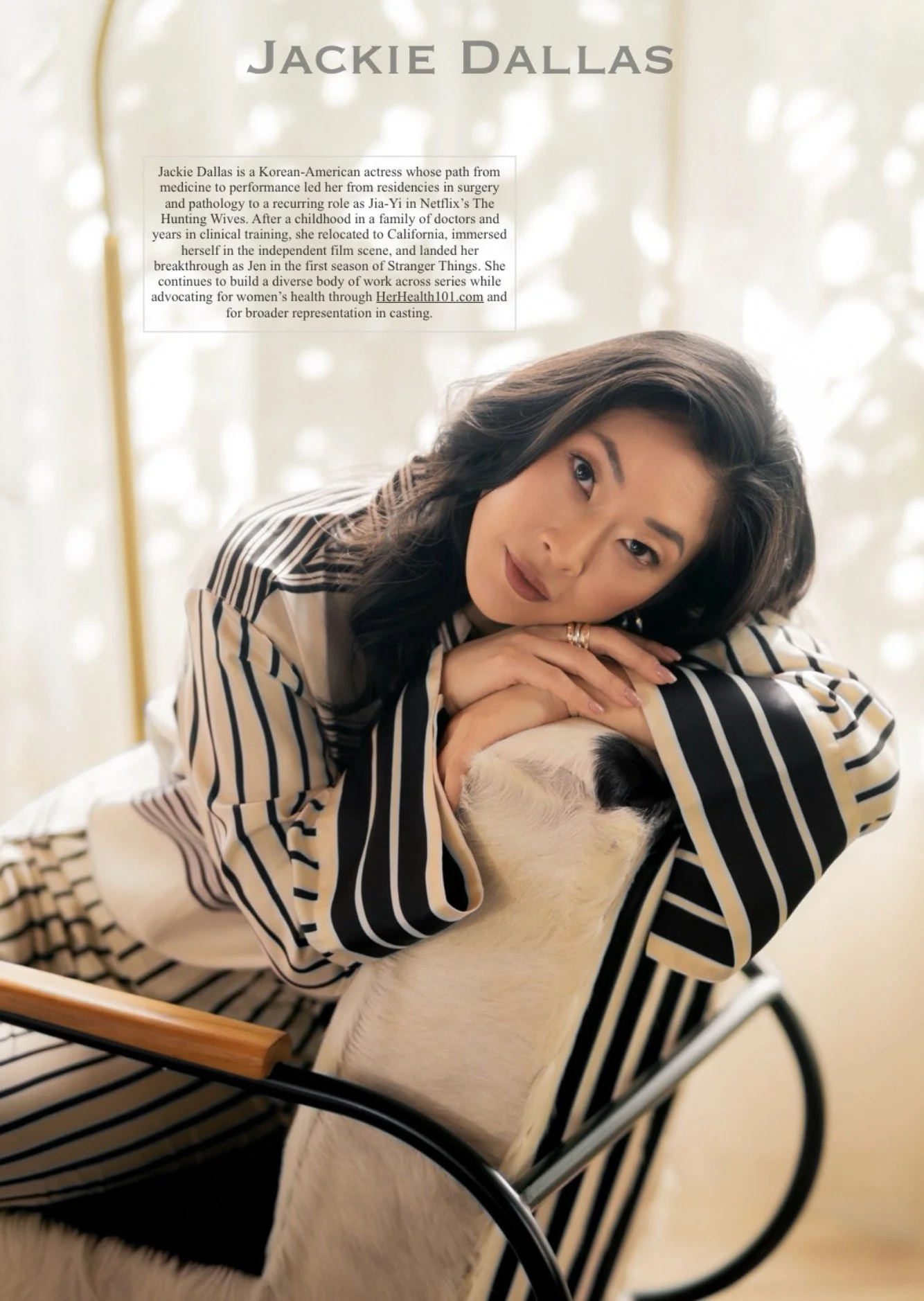 Image 9 of 10
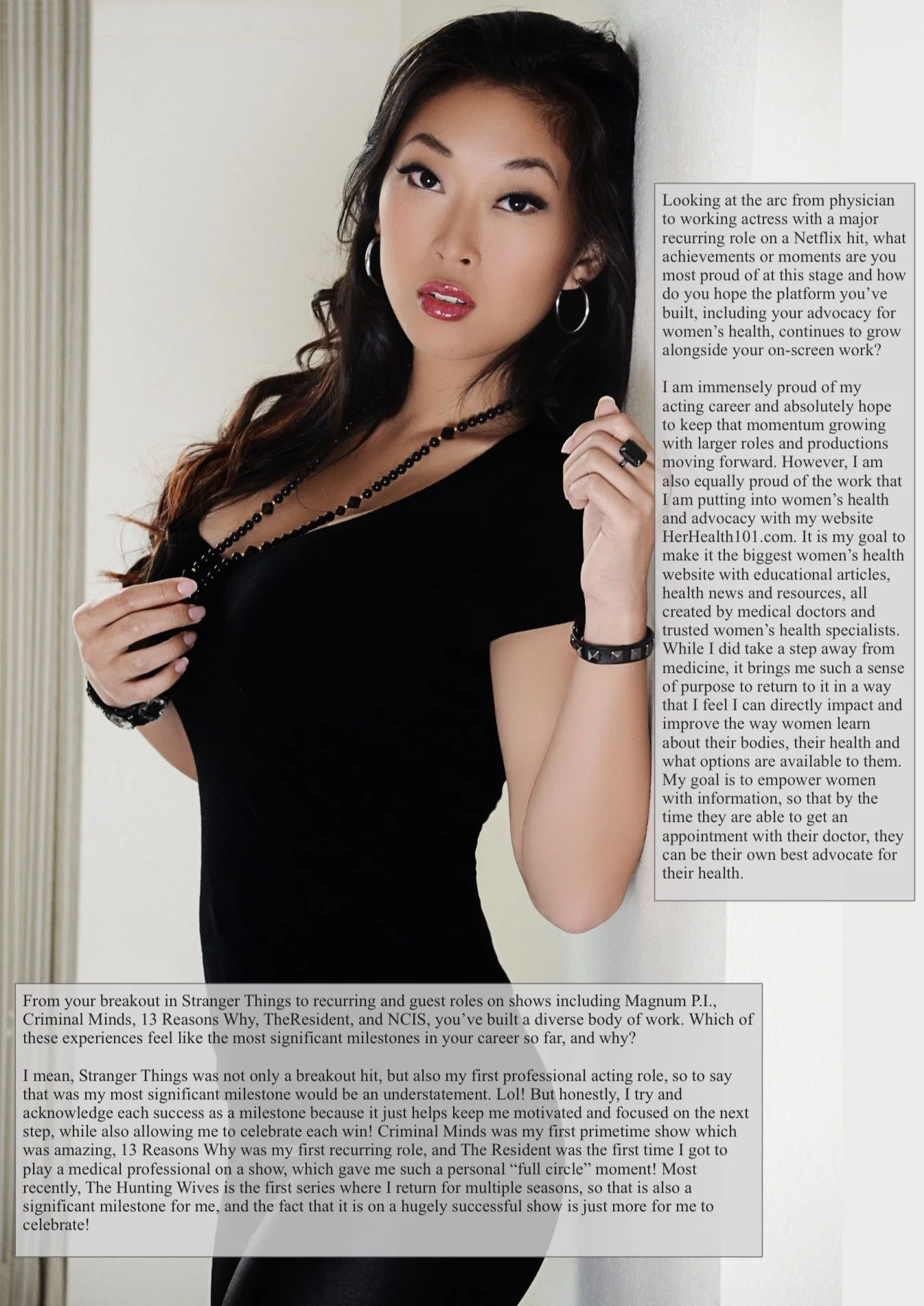 Image 10 of 10