This edition follows four people who changed course and remained with the work long enough for it to become theirs. The pieces examine timing, nerve, and the distinction between an outcome that cannot be controlled and a standard that can.
Joseph Ari’el Towne has spent more than three decades coaching Olympic athletes, Emmy-winning creatives, Fortune 500 executives, and performers moving into film and television. In The Better Mindset, published on 29 September, he argues for one percent better at what matters most, rather than a finished best self. Sustained excellence, in his account, is not calm certainty; it is nerves used as fuel, doubt faced, and enough quiet to hear oneself. Appearances in Freedom Writers and Isn’t It Romantic, work on Force of Nature for Syfy, and years as an on-set coach taught him to direct a mind the way he would direct a scene: less fixing, more of what is already present. A foreword by Yogi Roth and an endorsement from Matthew Lillard confirmed what the rooms had already shown him that story and discipline are the same muscle. Clients often arrive after a public win that did not produce private stability. He does not tear the old identity off. A snake sheds on its own. The smallest practice he still hands a reader is a few honest minutes at the end of the day: what went well, what was learned, and one thing to do one percent better tomorrow. Better, he says, starts in the next moment available.
Justin Casse was born into a family that helped build Ocala as a sales capital and later produced a Hall of Fame trainer. His father did not hand him a career; he handed him an opportunity and a rule if something was to be done, it was never to be done half-assed. The harder task was not the name but making something of his own inside it. International affairs in the United States and London taught him to read a room before a catalogue. When he inspects a two-year-old, he trusts athleticism first. Intuition, as he uses it, is experience moving at speed, not superstition. War of Will, purchased at Deauville in 2018, is the result most people attach to him. He will not romanticize it. Bloodstock is closer to venture capital: many horses that do not work, and a few that carry the return. He translates risk by being as candid about what can go wrong as about what might go right. He cannot control a living animal after it leaves the ring. A horse bought in Europe does not necessarily belong there. Silent Tactic and the Epicenter colt at OBS suggest the shortlist has not narrowed. The process is the same; the file behind it is larger. In 2020 he wrote about mental health in racing when toughness was still a closed subject. After a horse he believed in fails to train on, he examines what he can without assuming the original decision was wrong. His brother Mark trained many of the horses he found. A last name can open a door. It cannot walk through it. Control what you can, he says, and learn to live intelligently with what you cannot.
Arie Rose produced Splash City, the Lionsgate feature, because the story felt real: choices, consequences, and the people who bend a life. She filmed it in the Bay Area, where she was born and raised, and watched an idea reach distribution. Entre Amigas, the daily women’s talk show she produced and hosted at Estrella TV, taught her that storytelling works when an audience can see itself. A decade on nationally syndicated radio, heard in more than thirty cities, trained her to think quickly and, more usefully, to listen. Production changes in real time; radio had already formed that reflex. Companies, two books, and a speaking practice on resilience each prepared a different muscle. As a Latina producer she learned to take up space in rooms where she did not always see herself. Representation and commercial viability do not have to compete. She looks for stories that are specific and still universal, and for diverse voices where the decisions are made. The decisive recalibration was becoming a student again after a career that already worked. Radio, television, writing, and entrepreneurship were not separate chapters. They were materials. Inclusion, for her, starts before casting. Getting into the room includes making sure she is not the last person like her invited in. Ahead she wants features, television, and limited series with something meaningful under the entertainment. Nothing great, she says, gets made alone. Do not wait until you feel ready. Then hold the door.
Karen Cliche plays Alison Mayfair in Ice Cream Man, a lawyer, the wife of Eli Roth’s Marty, and the mother of Jared and Lizzie. What drew her was not the parent on the page but the family secret, and the ending. Any chance to work with Roth is a yes. This is their third collaboration, after Thanksgiving and a fake trailer, Don’t Go in That House Bitch. Acting with him, rather than only being directed by him, meant long improvisations. One dinner scene rolled for five minutes before the scripted lines. She missed the school chaos she wanted to watch. She was in the rooms with Charlie and Sarah, who play the Mayfair children, and found them talented enough to make her want another hobby. At the premiere she was proud to see them on the carpet, and caught the gasps when the phone rings in the last scene she shares with Roth. The dinner remains the scene that mattered: human, before the chaos. The kill she ranks highest is the one in which the children learn who is inside the robes. Sarah did that turn in a single take. Early leads in Vampire High, Mutant X, and Flash Gordon gave her women with a tough exterior and a softness she was then afraid to show. After her daughter was born in 2010 she stepped away for more than a decade, nearly quit after a fiftieth unanswered self-tape, then left her marriage. Bookings followed, Thanksgiving among them. Magic, she says, does not arrive while a life is blocked. Alison is better because the motherhood is no longer imagined. She has accepted that success may now be quality rather than quantity.
These accounts share a refusal to treat an inherited name, an earlier chapter, a public win, or a long absence as either destiny or disqualification. Each person set a standard within reach and stayed with it long enough for the work to become theirs. The difference between an outcome that cannot be controlled and a standard that can is the ground on which the edition stands.
With appreciation,
Allan Campbell
Chief Executive Officer
The Official Concept Magazine
This edition follows four people who changed course and remained with the work long enough for it to become theirs. The pieces examine timing, nerve, and the distinction between an outcome that cannot be controlled and a standard that can.
Joseph Ari’el Towne has spent more than three decades coaching Olympic athletes, Emmy-winning creatives, Fortune 500 executives, and performers moving into film and television. In The Better Mindset, published on 29 September, he argues for one percent better at what matters most, rather than a finished best self. Sustained excellence, in his account, is not calm certainty; it is nerves used as fuel, doubt faced, and enough quiet to hear oneself. Appearances in Freedom Writers and Isn’t It Romantic, work on Force of Nature for Syfy, and years as an on-set coach taught him to direct a mind the way he would direct a scene: less fixing, more of what is already present. A foreword by Yogi Roth and an endorsement from Matthew Lillard confirmed what the rooms had already shown him that story and discipline are the same muscle. Clients often arrive after a public win that did not produce private stability. He does not tear the old identity off. A snake sheds on its own. The smallest practice he still hands a reader is a few honest minutes at the end of the day: what went well, what was learned, and one thing to do one percent better tomorrow. Better, he says, starts in the next moment available.
Justin Casse was born into a family that helped build Ocala as a sales capital and later produced a Hall of Fame trainer. His father did not hand him a career; he handed him an opportunity and a rule if something was to be done, it was never to be done half-assed. The harder task was not the name but making something of his own inside it. International affairs in the United States and London taught him to read a room before a catalogue. When he inspects a two-year-old, he trusts athleticism first. Intuition, as he uses it, is experience moving at speed, not superstition. War of Will, purchased at Deauville in 2018, is the result most people attach to him. He will not romanticize it. Bloodstock is closer to venture capital: many horses that do not work, and a few that carry the return. He translates risk by being as candid about what can go wrong as about what might go right. He cannot control a living animal after it leaves the ring. A horse bought in Europe does not necessarily belong there. Silent Tactic and the Epicenter colt at OBS suggest the shortlist has not narrowed. The process is the same; the file behind it is larger. In 2020 he wrote about mental health in racing when toughness was still a closed subject. After a horse he believed in fails to train on, he examines what he can without assuming the original decision was wrong. His brother Mark trained many of the horses he found. A last name can open a door. It cannot walk through it. Control what you can, he says, and learn to live intelligently with what you cannot.
Arie Rose produced Splash City, the Lionsgate feature, because the story felt real: choices, consequences, and the people who bend a life. She filmed it in the Bay Area, where she was born and raised, and watched an idea reach distribution. Entre Amigas, the daily women’s talk show she produced and hosted at Estrella TV, taught her that storytelling works when an audience can see itself. A decade on nationally syndicated radio, heard in more than thirty cities, trained her to think quickly and, more usefully, to listen. Production changes in real time; radio had already formed that reflex. Companies, two books, and a speaking practice on resilience each prepared a different muscle. As a Latina producer she learned to take up space in rooms where she did not always see herself. Representation and commercial viability do not have to compete. She looks for stories that are specific and still universal, and for diverse voices where the decisions are made. The decisive recalibration was becoming a student again after a career that already worked. Radio, television, writing, and entrepreneurship were not separate chapters. They were materials. Inclusion, for her, starts before casting. Getting into the room includes making sure she is not the last person like her invited in. Ahead she wants features, television, and limited series with something meaningful under the entertainment. Nothing great, she says, gets made alone. Do not wait until you feel ready. Then hold the door.
Karen Cliche plays Alison Mayfair in Ice Cream Man, a lawyer, the wife of Eli Roth’s Marty, and the mother of Jared and Lizzie. What drew her was not the parent on the page but the family secret, and the ending. Any chance to work with Roth is a yes. This is their third collaboration, after Thanksgiving and a fake trailer, Don’t Go in That House Bitch. Acting with him, rather than only being directed by him, meant long improvisations. One dinner scene rolled for five minutes before the scripted lines. She missed the school chaos she wanted to watch. She was in the rooms with Charlie and Sarah, who play the Mayfair children, and found them talented enough to make her want another hobby. At the premiere she was proud to see them on the carpet, and caught the gasps when the phone rings in the last scene she shares with Roth. The dinner remains the scene that mattered: human, before the chaos. The kill she ranks highest is the one in which the children learn who is inside the robes. Sarah did that turn in a single take. Early leads in Vampire High, Mutant X, and Flash Gordon gave her women with a tough exterior and a softness she was then afraid to show. After her daughter was born in 2010 she stepped away for more than a decade, nearly quit after a fiftieth unanswered self-tape, then left her marriage. Bookings followed, Thanksgiving among them. Magic, she says, does not arrive while a life is blocked. Alison is better because the motherhood is no longer imagined. She has accepted that success may now be quality rather than quantity.
These accounts share a refusal to treat an inherited name, an earlier chapter, a public win, or a long absence as either destiny or disqualification. Each person set a standard within reach and stayed with it long enough for the work to become theirs. The difference between an outcome that cannot be controlled and a standard that can is the ground on which the edition stands.
With appreciation,
Allan Campbell
Chief Executive Officer
The Official Concept Magazine
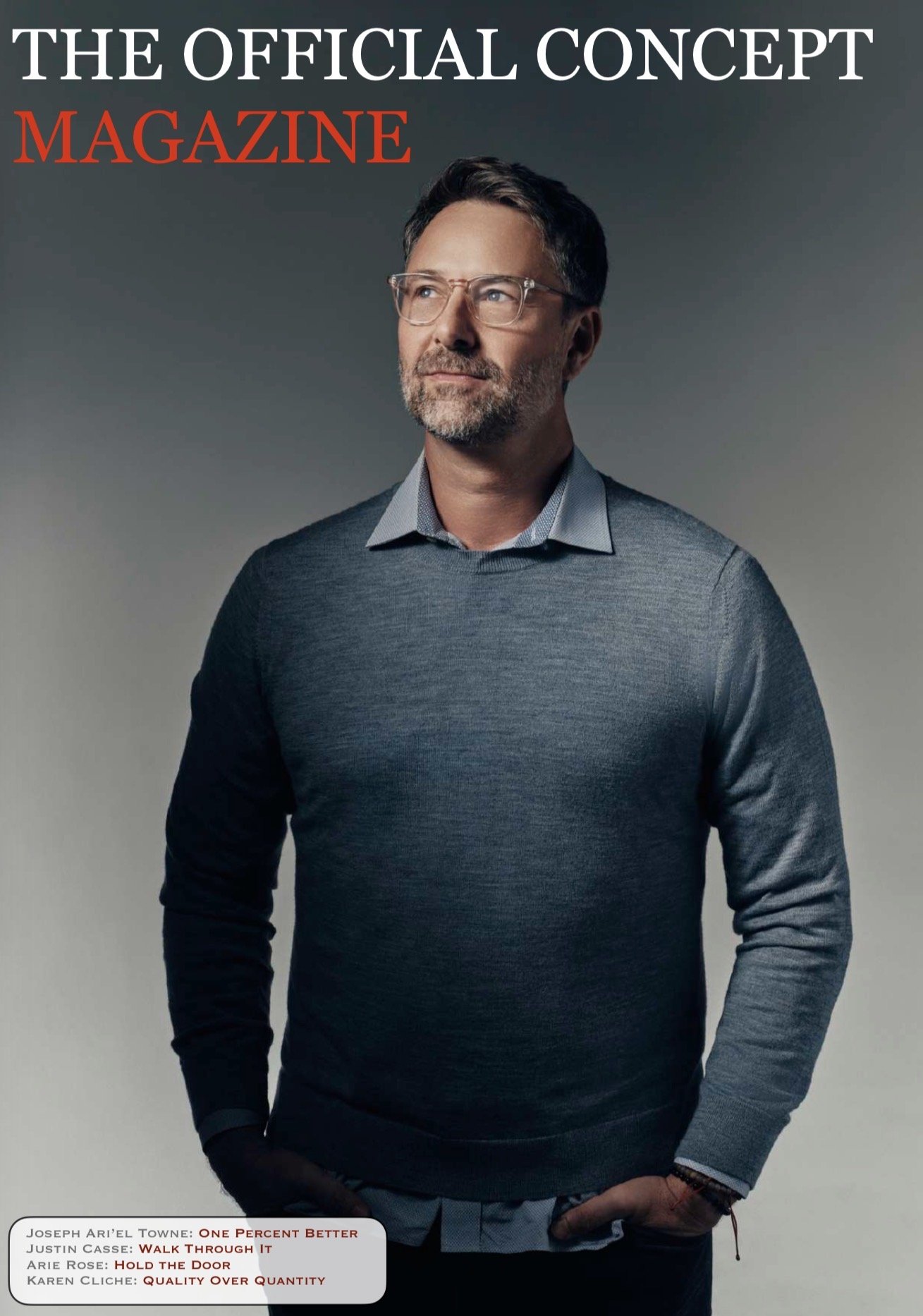 Image 1 of 14
 Image 2 of 14
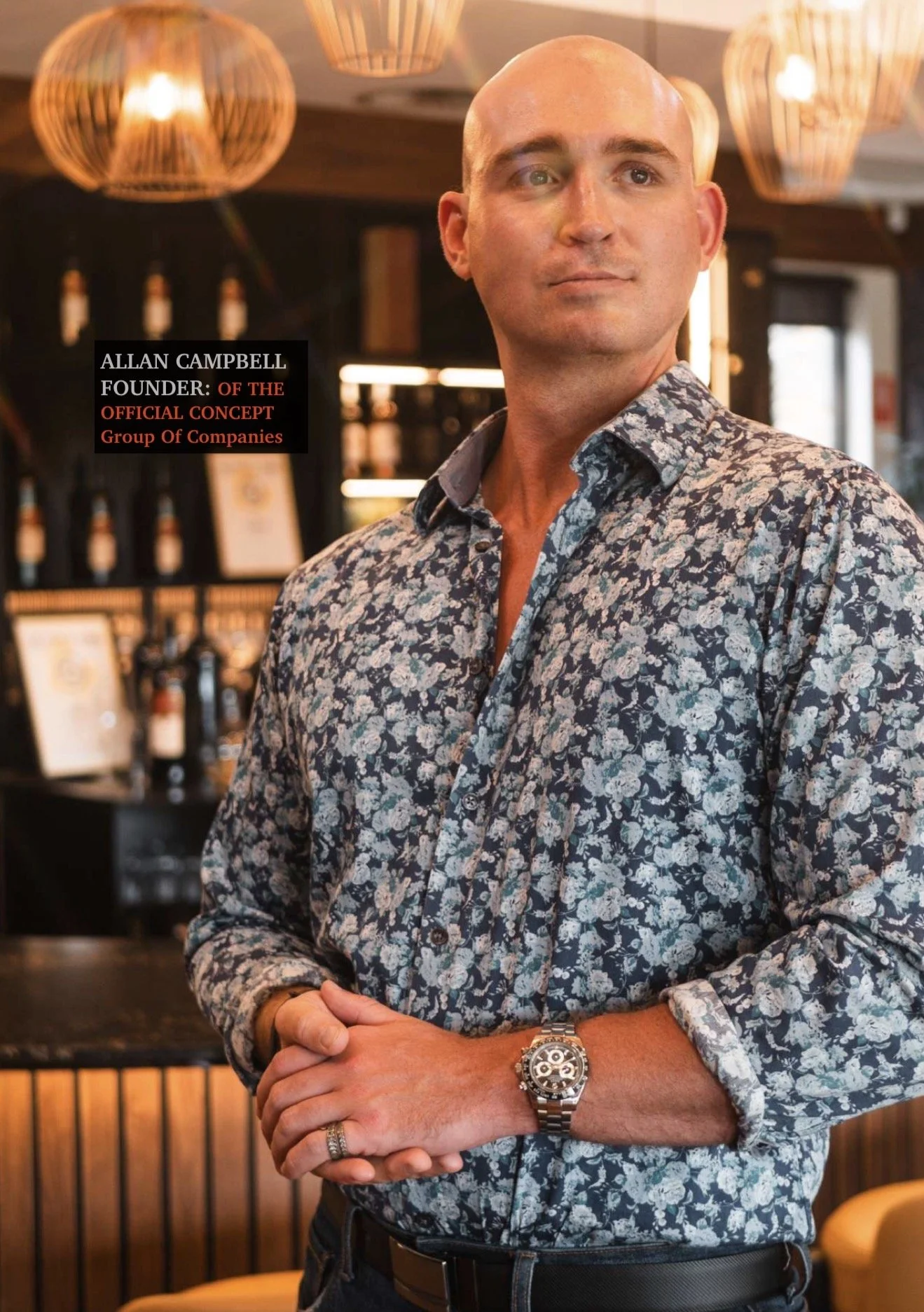 Image 3 of 14
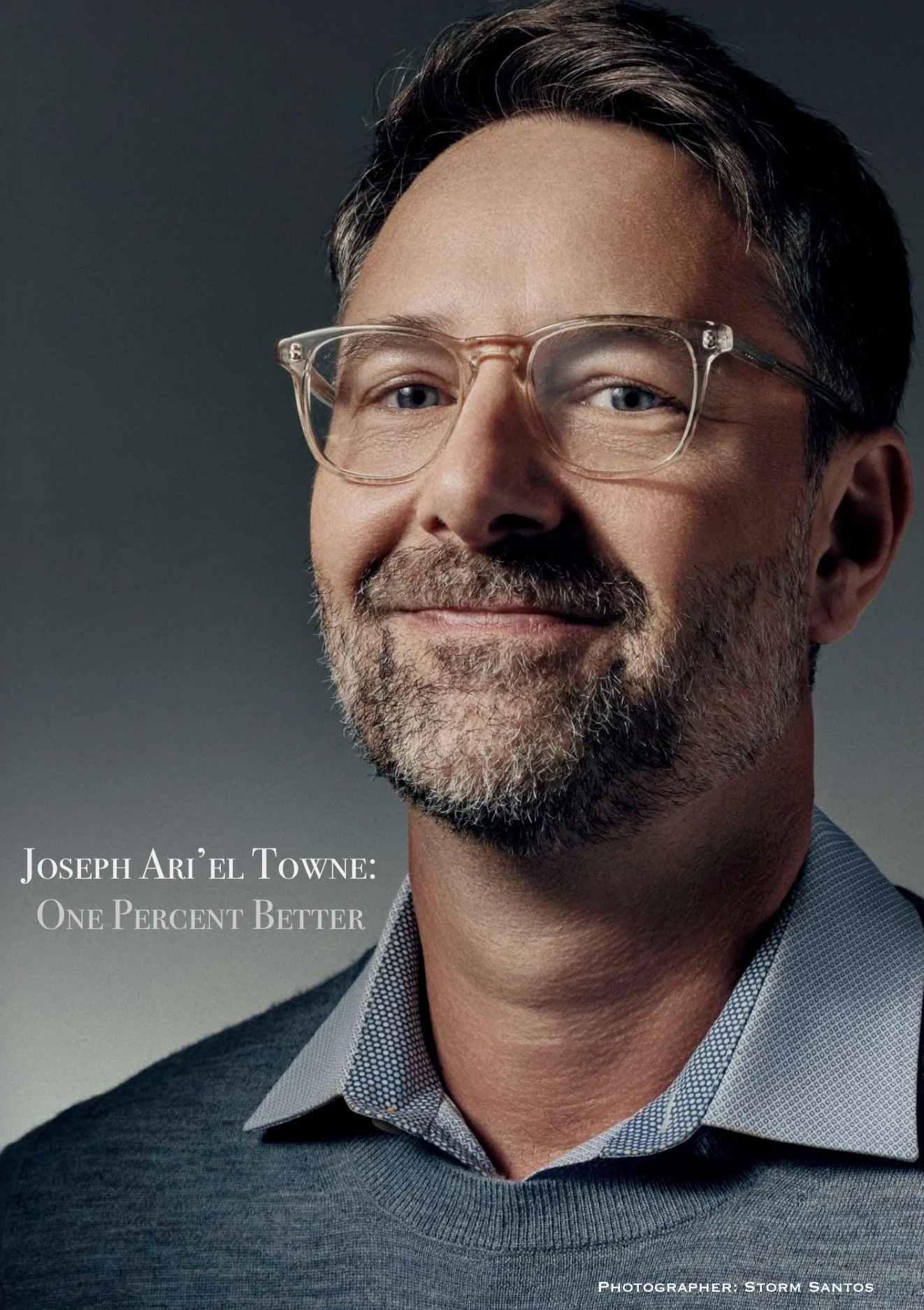 Image 4 of 14
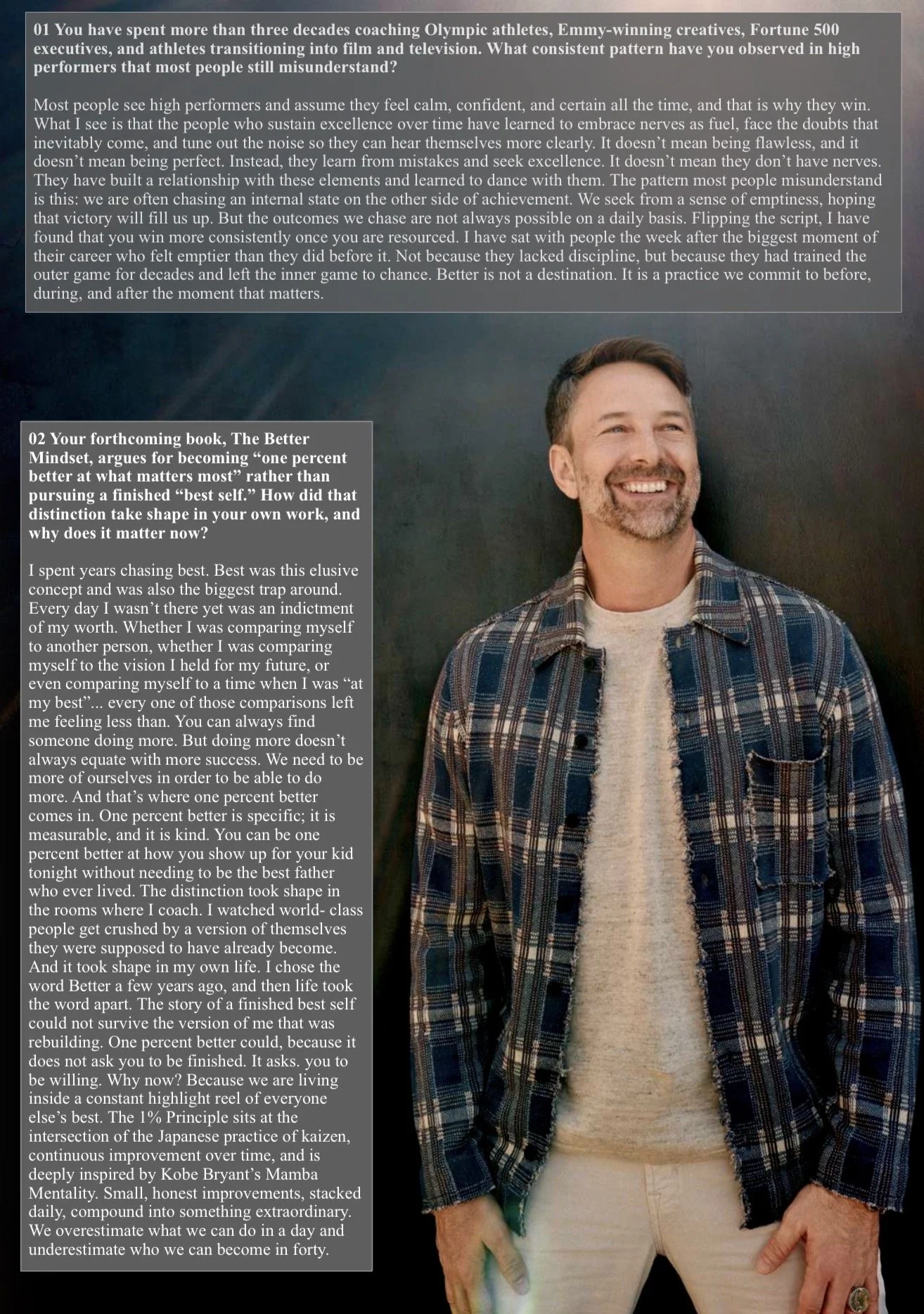 Image 5 of 14
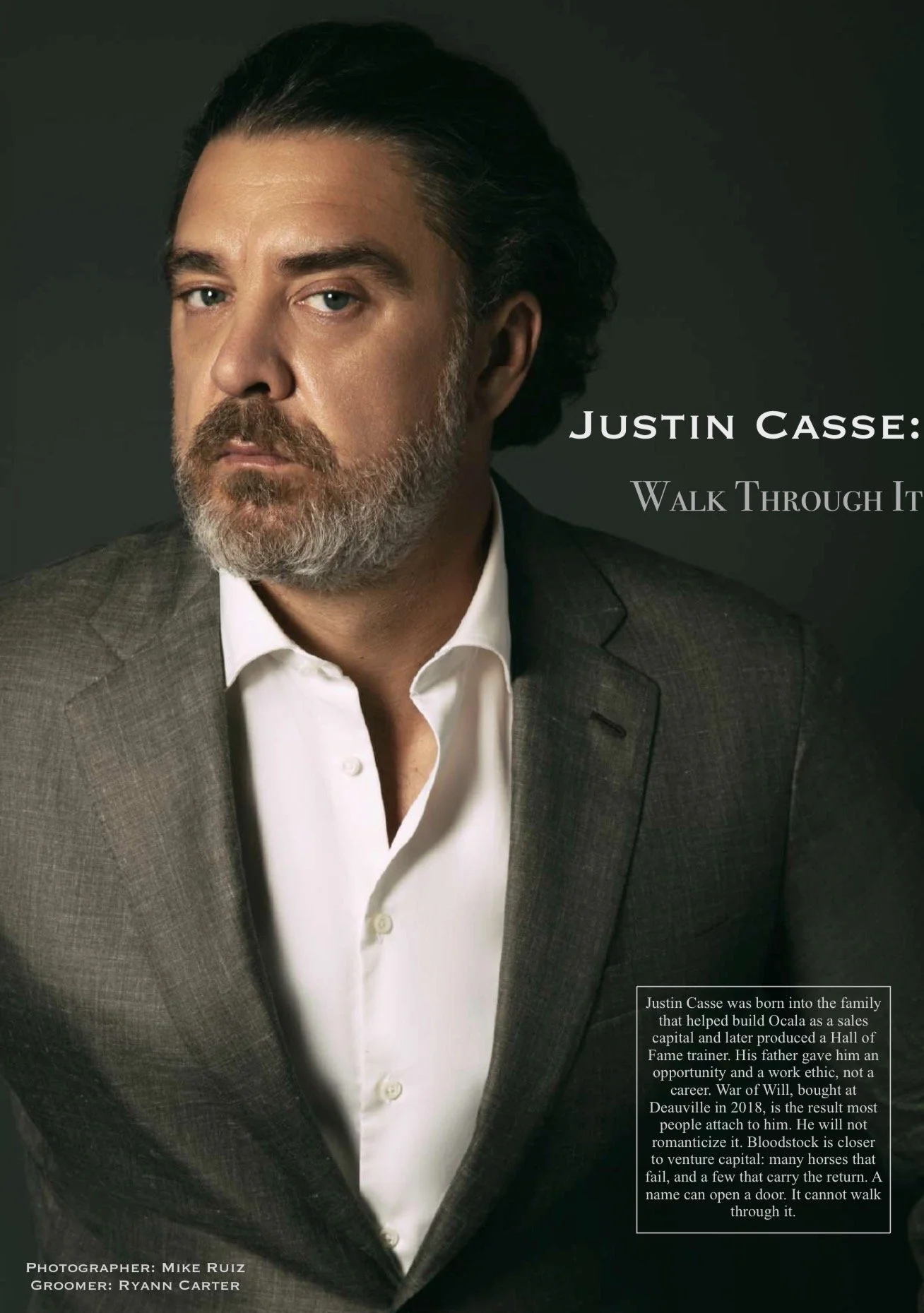 Image 6 of 14
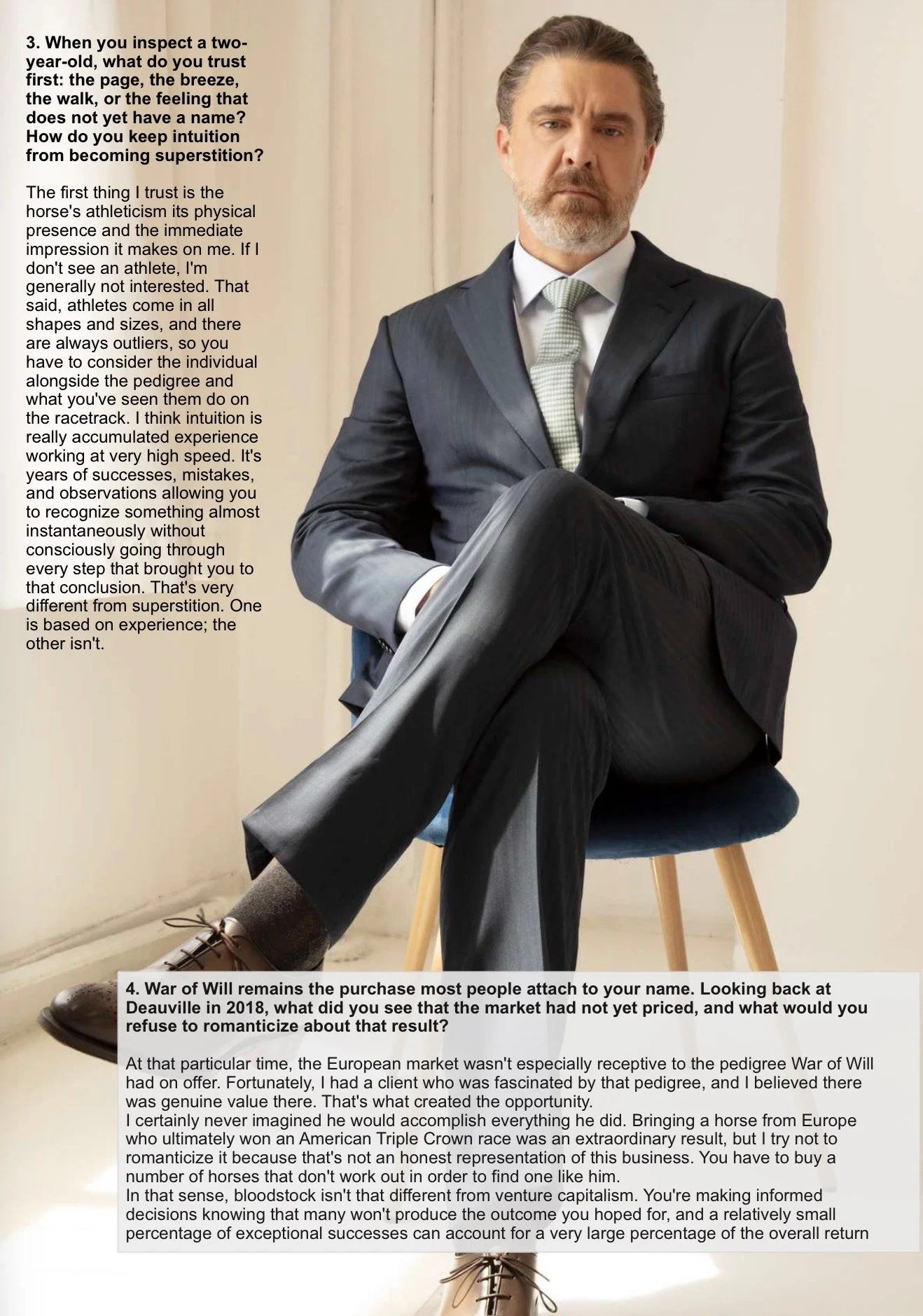 Image 7 of 14
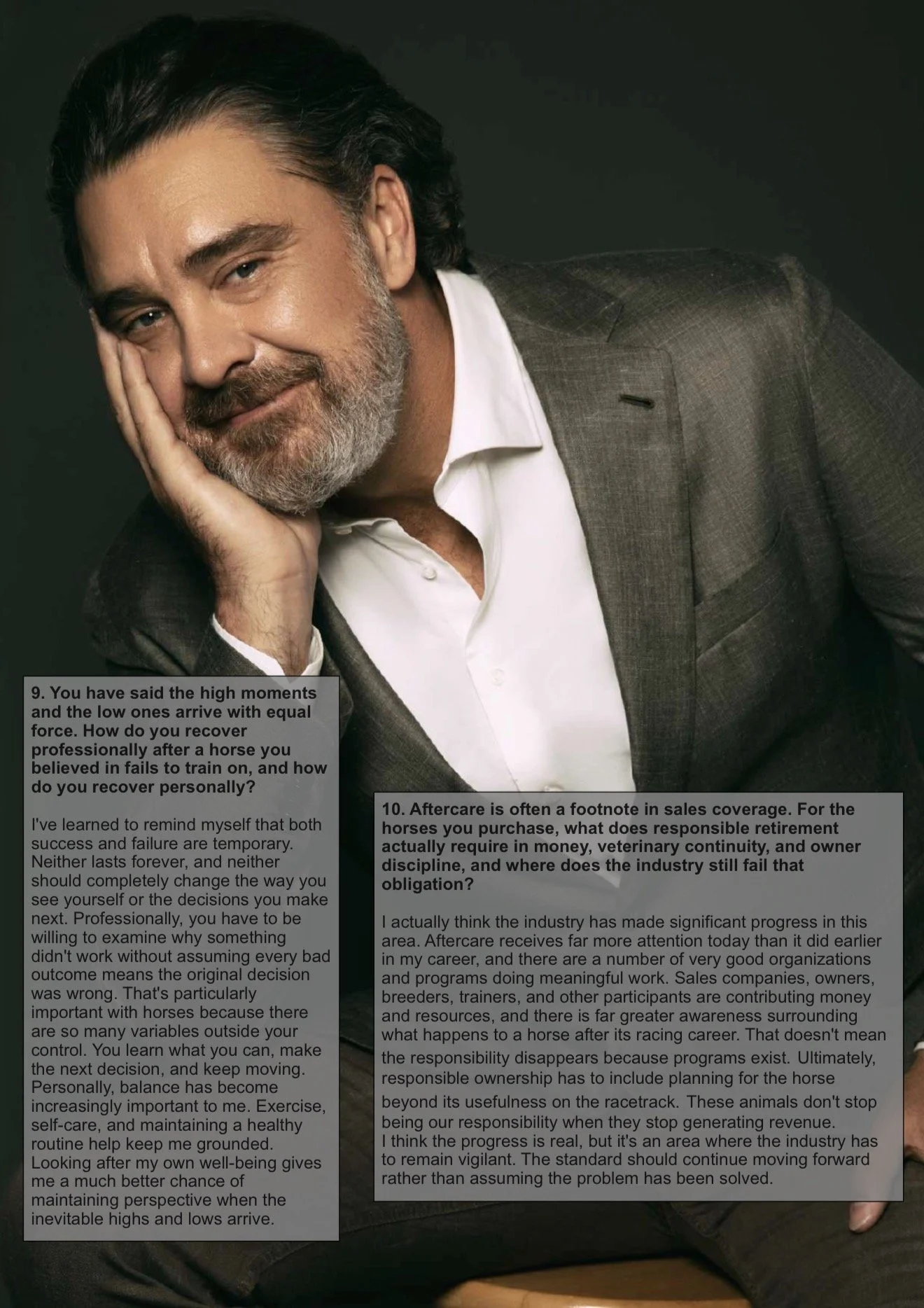 Image 8 of 14
 Image 9 of 14
 Image 10 of 14
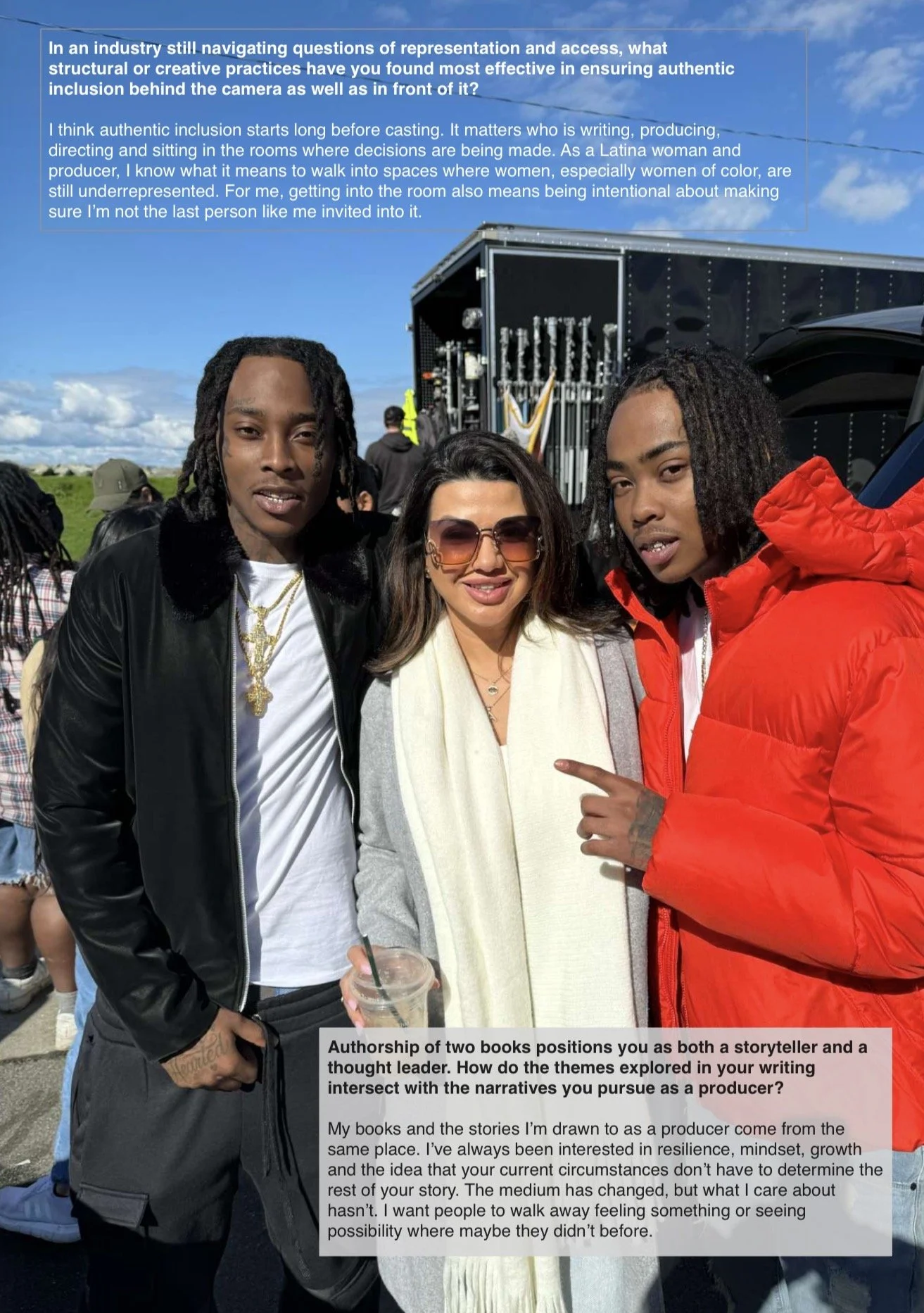 Image 11 of 14
 Image 12 of 14
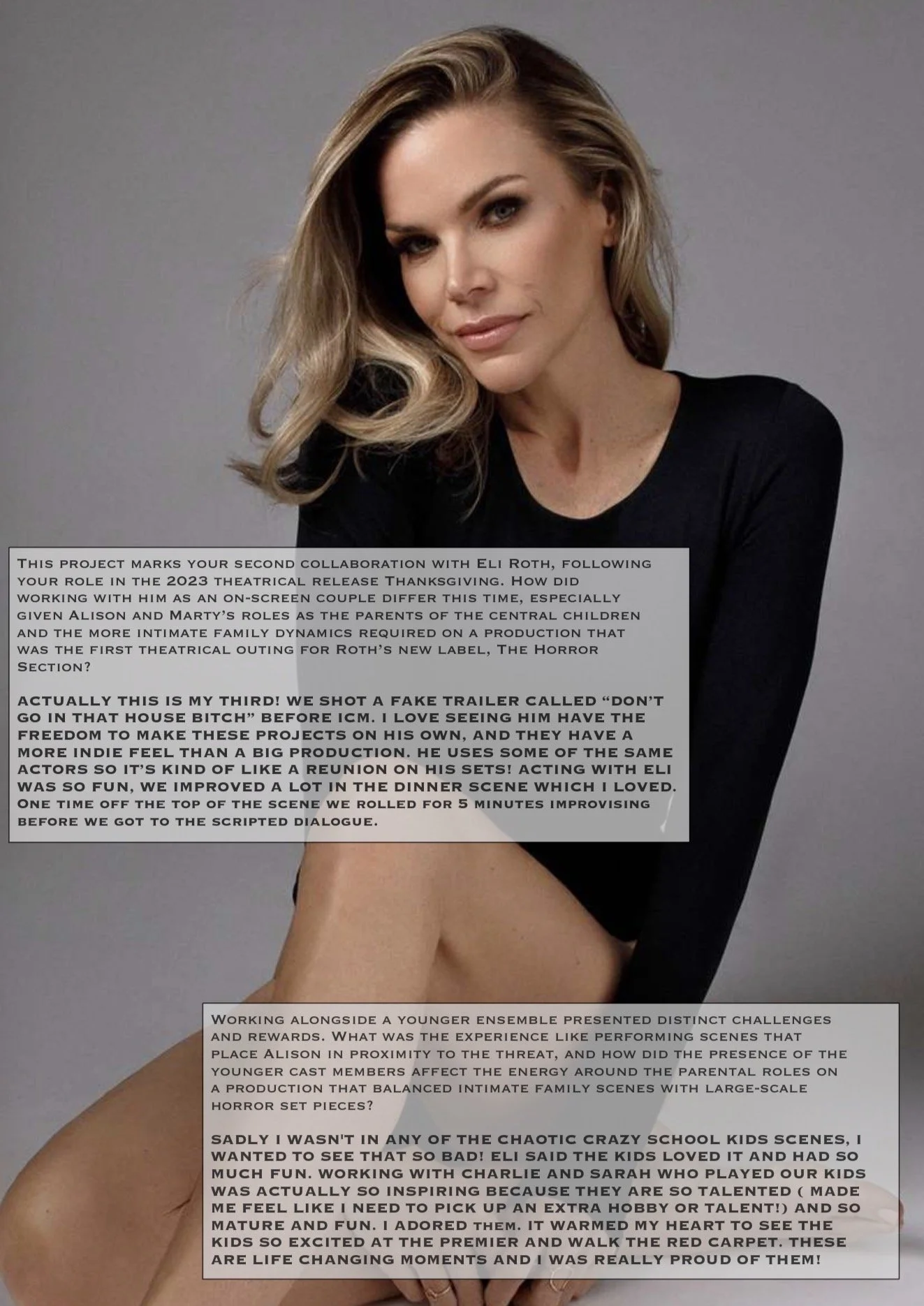 Image 13 of 14
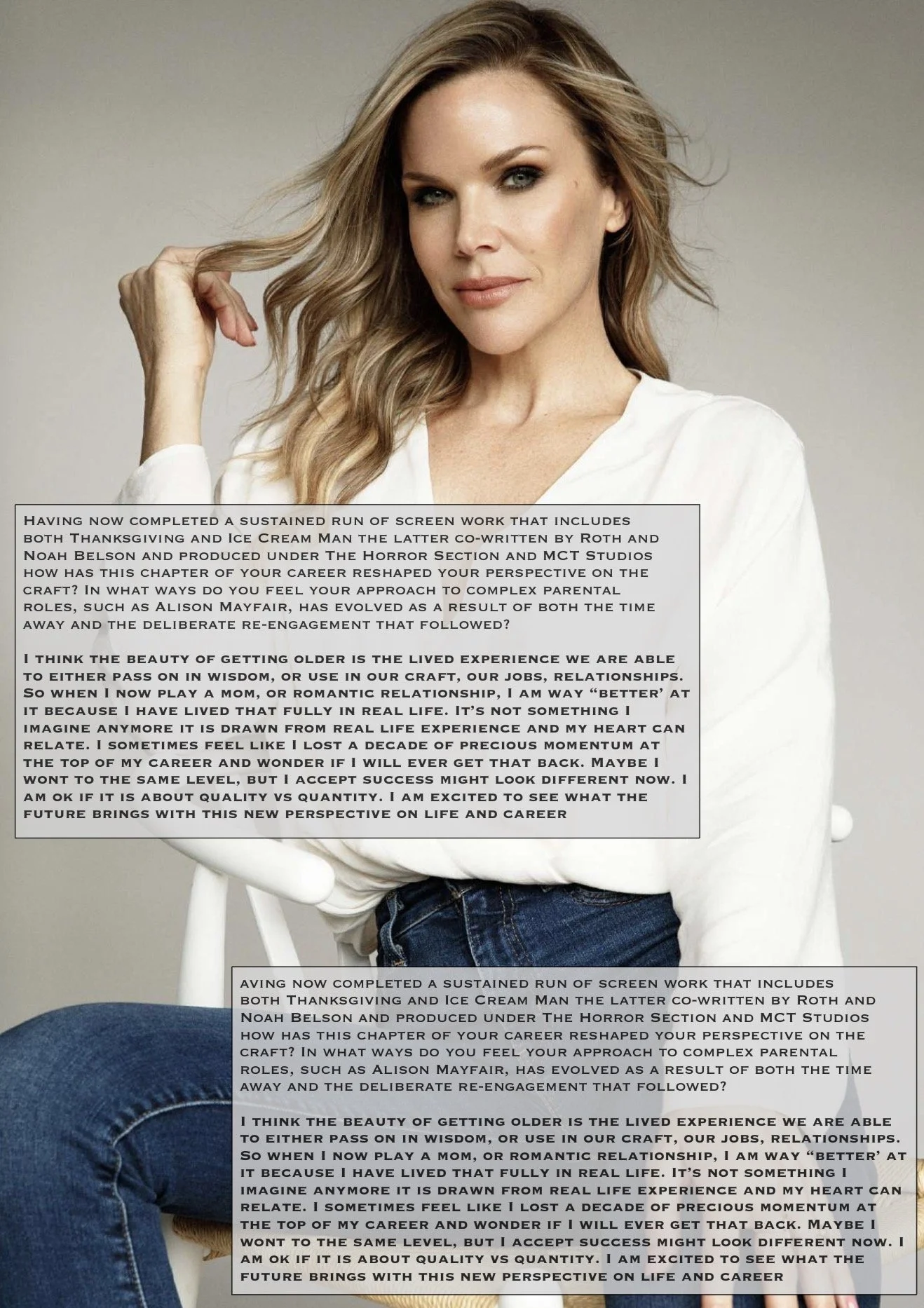 Image 14 of 14